
Browse using the new Vinous website now. Launch →
Printed by, and for the sole use of . All rights reserved © 2015 Vinous Media
Moon Mountain Bounces Back with the Exceptional 2023s
BY ANTONIO GALLONI | FEBRUARY 10, 2026
The 2023s from Sonoma’s Moon Mountain District are exceptional. A long, cool growing season with no shock events gave producers ideal conditions to turn out intensely aromatic, layered, structured reds. In 2023, everything was shifted late throughout the entire growing season. Cool weather allowed for extended hangtime and led to some of the latest harvests ever seen here. That’s a far cry from 2022, when intense heat and drought challenged these sites severely to the degree that some wines were not bottled at all. Readers will delight in exploring the 2023s, wines that represent Moon Mountain at its very finest.
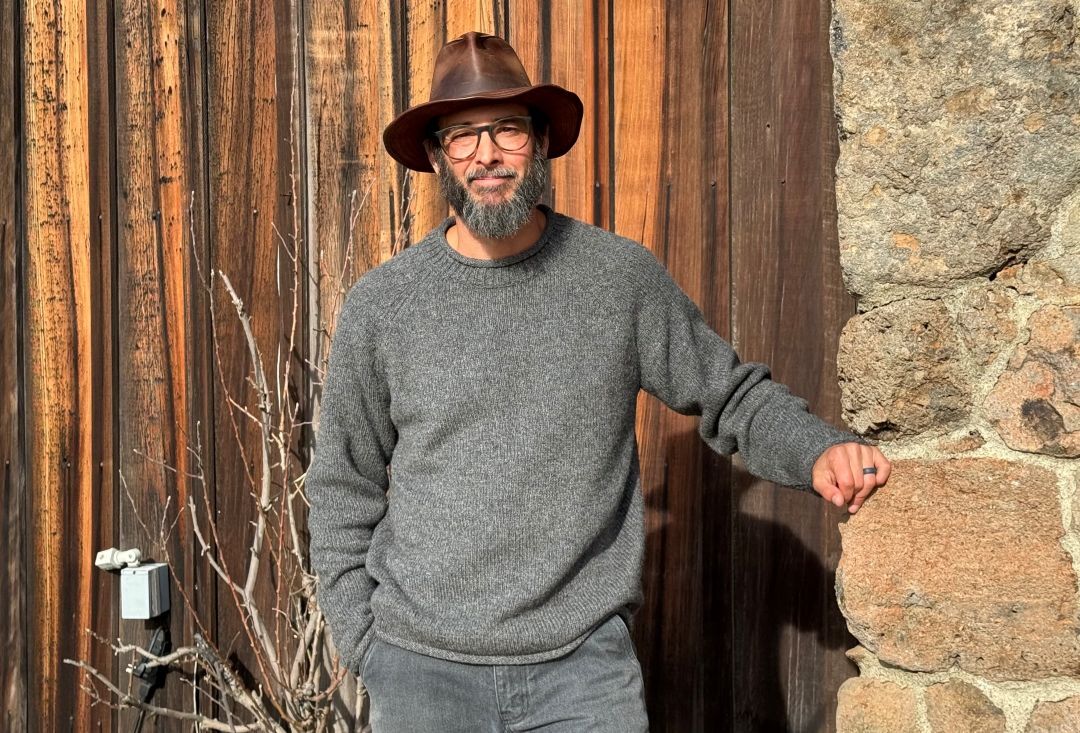
Jason Jardine oversees farming and winemaking at Hanzell, where Chardonnay, Pinot Noir and Cabernet Sauvignon all excel. The 2023s at Hanzell are magnificent.
Moon Mountain: A Brief Overview
Located in the Mayacamas Mountain range, Moon Mountain is essentially the opposite side of Napa Valley’s Mt. Veeder appellation. The easiest and simplest way to visualize Moon Mountain is to think of it as Sonoma County’s version of the hills in eastern Oakville, specifically the ridge that includes estates such as Dalla Valle, Peter Michael and Oakville Ranch, but shifted closer to the Pacific Ocean. Soils, vegetation and exposures are quite similar in many spots. Beyond that starting framework, vineyards on Moon Mountain are often more diverse, especially larger ranches like Moon Mountain Vineyard and Monte Rosso that feature a wide range of exposures and elevations. For example, harvest can take a month or longer within Monte Rosso, as ripening patterns are quite different across the ranch. Other sites are located at high elevations that resemble those seen in places such as Howell Mountain.
Historically, Zinfandel and Zinfandel-based blends played an important role here. In recent decades, growing consumer demand for Cabernet Sauvignon has changed the varietal composition in many vineyards. Rhône varieties have come on strong of late, adding another strand to the complex fabric of wines. Whites can also be quite distinctive. A few rows of Sémillon planted in the 1880s in Monte Rosso are the oldest-known Sémillon vines in the western hemisphere. The original Kistler Vineyard on Nelligan Road has been a source of world-class Chardonnay for decades. Hanzell boasts an even longer track record with Chardonnay, along with fine Pinot Noir, which is rarely seen on Moon Mountain.
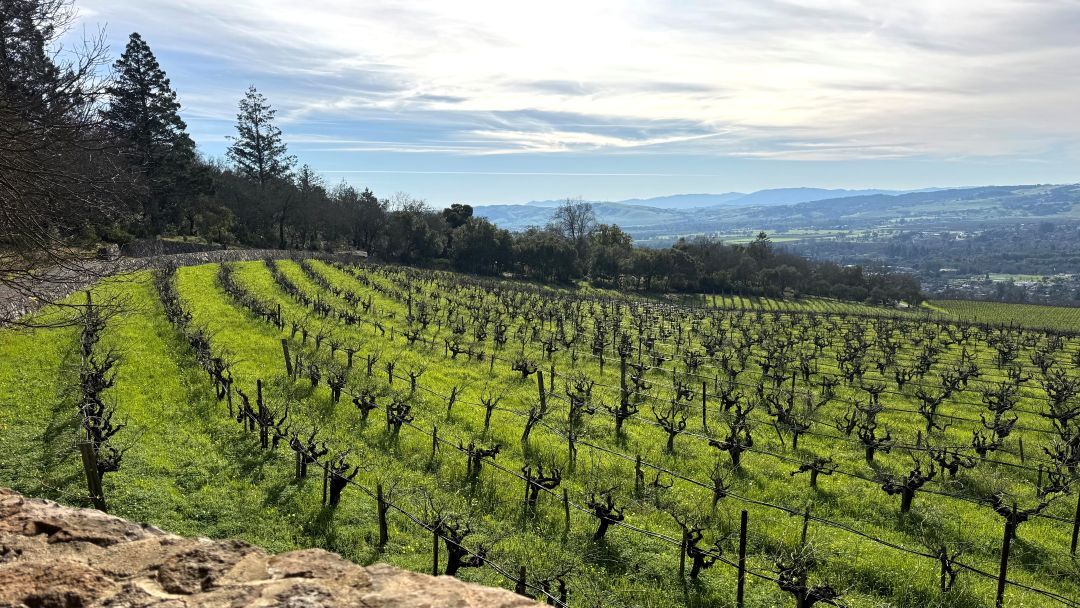
Hanzell’s Ambassador’s Vineyard Chardonnay was planted in 1953 with cuttings taken from Stony Hill. It is one of the most distinctive Chardonnay sites in the United States.
For these reasons, I feel strongly that Moon Mountain deserves to be covered on its own. Moon Mountain is obviously not Napa Valley, and it is also separate and distinct from the rest of Sonoma County. It’s a region that I have spent time in and admired before AVA status was granted in 2013. My article Exploring Sonoma’s Moon Mountain District features extensive background information on soils and history. Readers who want to explore the appellation in greater detail may want to take a look at the Vinous Map of Moon Mountain, which also illustrates elevation and other topographical features, and producer videos from a Moon Mountain seminar I moderated at the most recent edition of Vinous Icons: Miami.
One of the challenges in covering Moon Mountain on its own is that many notable wines are made from producers who are based in nearby regions and/or who make wines from many appellations. I have included a brief list of these wines below. As good as the wines are now, I believe Moon Mountain holds considerable untapped potential. Last year, I wrote that some wines appear stuck in an overly rich, extracted style that obscures site character. That holds true in a few cases, but I have also started to see a more contemporary, thoughtful, terroir-driven approach at many properties. Hamel is perhaps the most striking example. The wines were once impenetrable and massively extracted, but today they are much more closely linked to site. I am also very encouraged by younger wineries such as Moon Hollow, Winery Sixteen 600 and Far Mountain, all of which are ambitious, driven and making wines of tremendous character. The first wines I have tasted from The Nunnery, a new Phil Coturri project, are also incredibly promising.
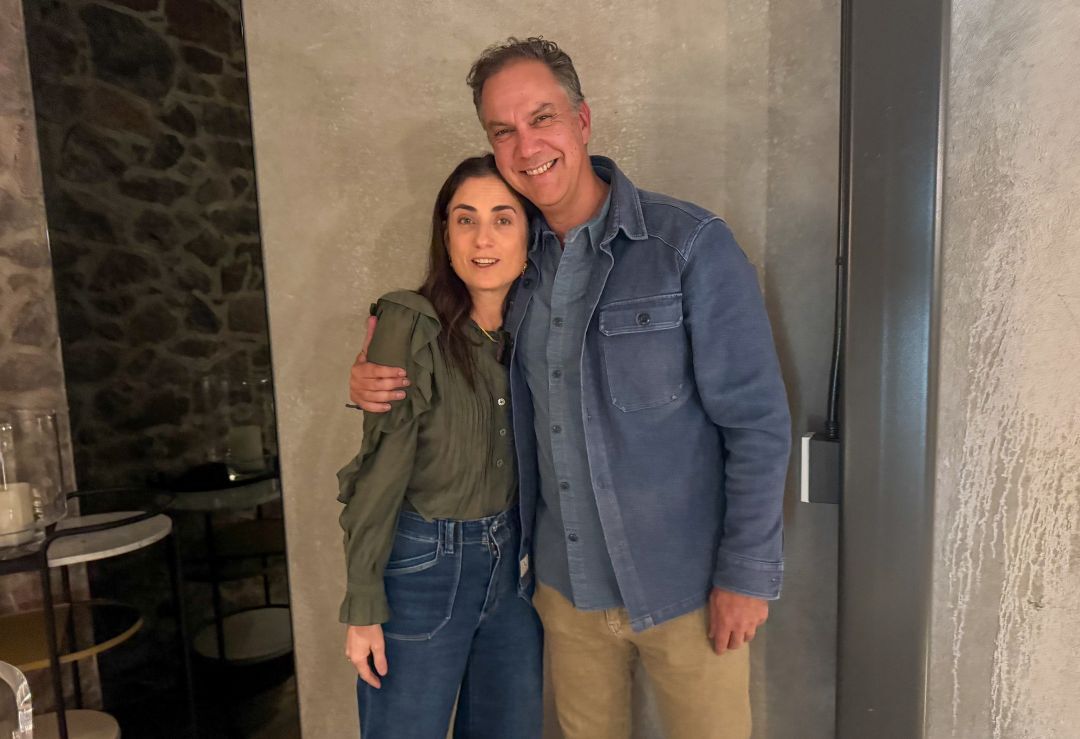
Mai Errazuriz and Rodrigo Soto turned out a breathtaking set of 2023s at Far Mountain, one of the most exciting new wineries in the Moon Mountain District.
Other Notable Moon Mountain Wines
Arnot-Roberts – Cabernet Sauvignon Montecillo Vineyard
Bedrock – Cabernet Sauvignon Montecillo Vineyard, Zinfandel Monte Rosso Vineyard
Beta – Cabernet Sauvignon Montecillo Vineyard
Di Costanzo – Sauvignon Montecillo Vineyard
Kistler – Chardonnay Kistler Vineyard, Chardonnay Kistler Vineyard Cuvée Cathleen
Louis M. Martini – Cabernet Sauvignon Monte Rosso Vineyard, Gnarly Vine Zinfandel Monte Rosso Vineyard
Limerick Lane – Zinfandel Monte Rosso Vineyard
NEOTEMPO – Red Wine The Nunnery
Newfound – Mourvèdre, Grenache, Syrah Maus Vineyard
Reeve – Sangiovese Monte Rosso Vineyard
Turley – Cabernet Sauvignon Montecillo Vineyard, Zinfandel Fredericks Vineyard, Zinfandel Monte Rosso Vineyard
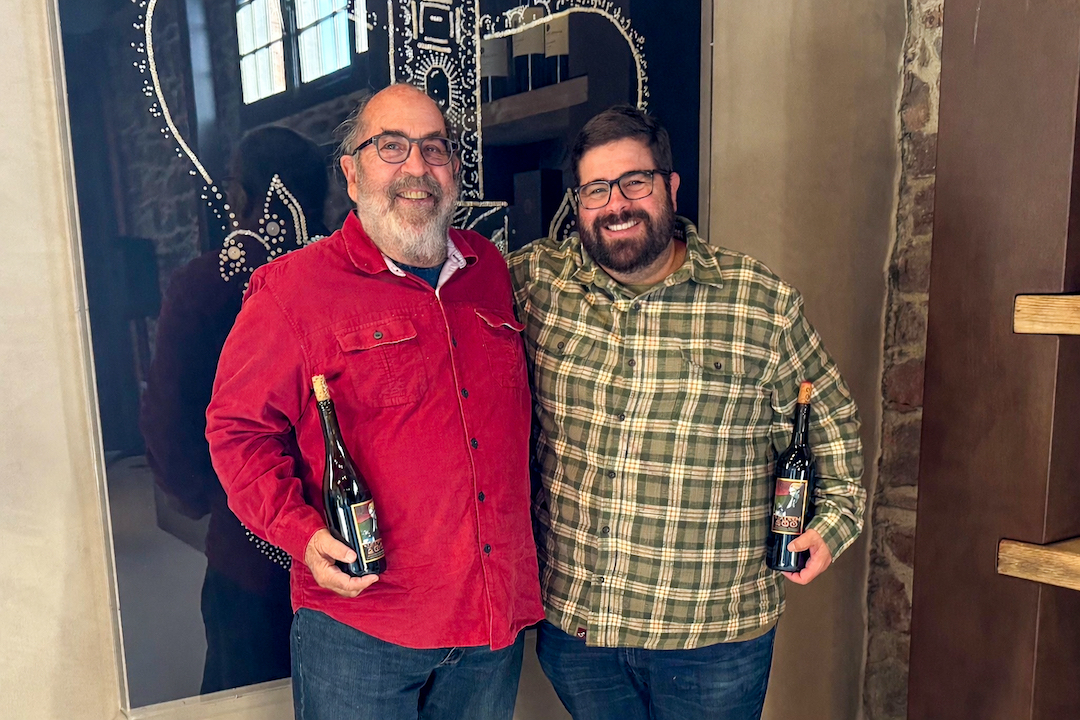
Inspired by books on gardening, Phil Coturri (left) was among the first vineyard managers to advocate organic and biodynamic farming when these were viewed as eccentric, avant-garde concepts. Today, Coturri is considered a guru. The ideas he championed, once scorned, are now considered mainstream. Coturri and his son, Sam (right), operate Winery Sixteen 600, where they make wines that are increasingly of note.
Looking Ahead and a Nod to the Past...
So far, I have only tasted a handful of 2024s, all whites. It is a vintage I have been excited about for some time in both Napa Valley and throughout Sonoma. The whites offer a combination of aromatic presence, vibrancy and overall depth that is hugely appealing. Lastly, I've also included notes on a handful of 2015s I tasted alongside current releases for further perspective.
I tasted all the wines in this report in October 2025, with follow-up tastings in my office in January 2026.
© 2026, Vinous. No portion of this article may be copied, shared or redistributed without prior consent from Vinous. Doing so is not only a violation of our copyright but also threatens the survival of independent wine criticism.
You Might Also Enjoy
Watch: The Emergence of the Moon Mountain District Seminar at Vinous Icons: Miami 2025, Antonio Galloni, November 2025
Going to California: Sonoma’s 2024s & 2023s, Antonio Galloni, January 2026
Exploring Sonoma’s Moon Mountain District, Antonio Galloni, February 2025
Sonoma and Neighbors 2022 & 2023: Opposites Attract, Antonio Galloni, January 2025
2022 Sonoma: A First Look, Antonio Galloni, January 2024
Sonoma’s Sensational 2021s, Antonio Galloni, August 2023
Show all the wines (sorted by score)
- Amapola Creek Winery
- B. Wise Vineyards
- Far Mountain
- Hanzell
- Hanzell Farm
- Hill of Tara
- Kamen
- Korbin Kameron
- Lasseter Family Winery
- Moon Hollow
- Mountain Terraces Winery & Vineyards
- Muscardini
- Repris
- Sojourn Cellars
- Stone Edge Farm Estate Vineyards & Winery
- Tidings
- Ty Caton Vineyards
- Winery Sixteen 600