
Browse using the new Vinous website now. Launch →
Printed by, and for the sole use of . All rights reserved © 2015 Vinous Media
13-14 Dean St
Soho, London
W1D 3RS
United Kingdom
BY NEAL MARTIN | SEPTEMBER 4, 2026
The Food:
Aish Baladi, whole grain and bran
Salad of summer fruit with chilli salt
Arrowhead spinach and aged feta börek with wild honey and fennel pollen
Barigoule of courgettes with hung yoghurt
Mechouia of confit pollock and aubergine with black lime bambalouni
Sheftalia, Tamworth pork wrapped in caul fat and grilled
Molokhia, braised jute leaf and cull yaw
Date and pistachio tart
The Wine:
2021 Antònio Madeira Dao A Liberdade 91
Impala is on everyone’s lips. The week of the restaurant’s soft launch in late March, a friend who knows all about these things before anyone else was already singing its praises. Press reviews claimed that London had nothing quite like it. The opening came with a side of hysteria, never my cup of tea, so I waited three months to discover if this really is one of London’s most desirable reservations. Well, let’s say that my taste buds are eternally grateful. I already hanker for a return. Moreover, there was an unexpected surprise with respect to the wines. More on that later.
The team behind Impala (Super8) know what they are doing after launching Brat and Mountain, as well as the ever-popular Kiln and Smoking Goat. Co-founder and Executive Chef Meedu Saad was born and raised in Tottenham, his father Egyptian, his mother Cypriot. Those countries’ indigenous cuisines influence Impala, though Saad incorporates inspirations from across Northern Africa. Even though I had not heard of half the dishes, I wanted to order everything on the menu. That’s my goal for the end of the year.
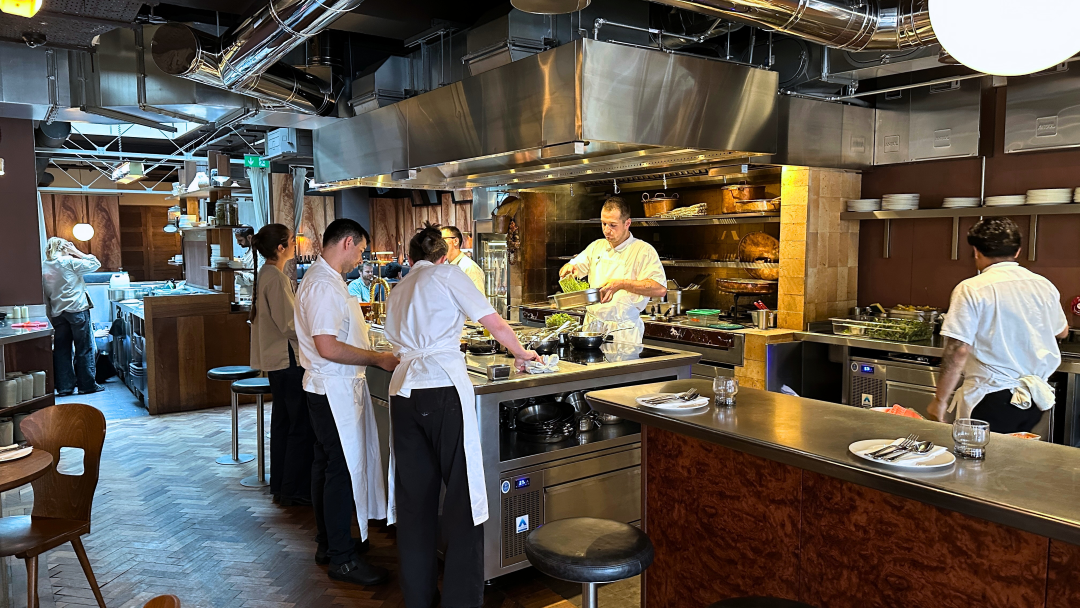
The kitchen at Impala.
Impala is located on Dean Street in Soho, so there is constant foot traffic outside. That seeps into the restaurant, which sizzles with a young and casual vibe. The façade is surprisingly innocuous: no eye-catching signage, just discreet, wooden window frames so that you could easily walk past. The interior is larger than you’d expect, utilising the space afforded by what was formerly a car park. This affords Impala spaciousness, with exposed pipes in the ceiling and ventilation that is de rigueur. Now that the hysteria has quietened (a bit), the higher number of covers means that you do not have to book years in advance to secure a table. Like Mountain, a few seats remain free for walk-ins, with plenty of counter stools for those who want to drop in for a quick bite. One side of the space is occupied by a bar, while the other houses a wood oven from which the fragrant smell of baking bread wafts over. Like many restaurants, there is background music, though it’s not so noisy that you must shout to be heard. One thing I would say is that it was quite warm sitting at the front of the restaurant, whereas the rear benefitted from air conditioning.
The menu feels like walking into a new gastronomic realm, at least for my uninitiated palate. Saad designed a menu to showcase traditional ingredients and recipes that are not commonly found outside their countries of origin. We decided to share dishes tapas style so that we could wrap our senses around as many as possible. Before detailing the food, let me compliment the staff. They were informative and friendly from start to finish, exemplary all around.
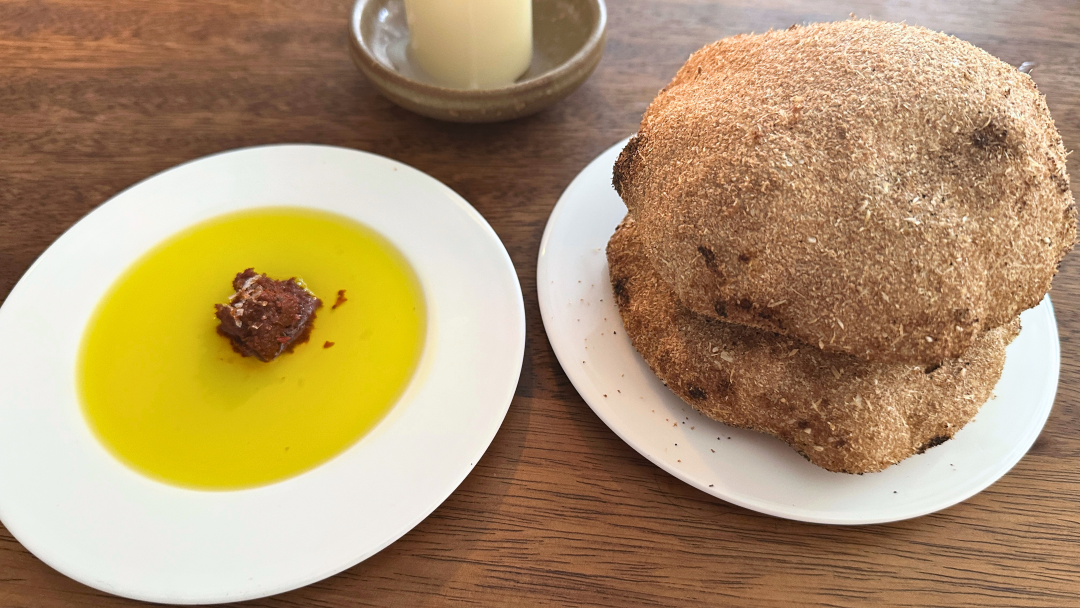
Aish Baladi, whole grain and bran.
We start with Aish Baladi, a wholegrain flatbread and a staple for many Egyptian families, here served with olive oil and harissa. Freshly out of the aforementioned wood oven, this is blessed with a gorgeous malty flavour, puffy but not heavy, with a lightly blistered crust and the slightest charring. How can something so simple be so delicious? I could have polished off several.
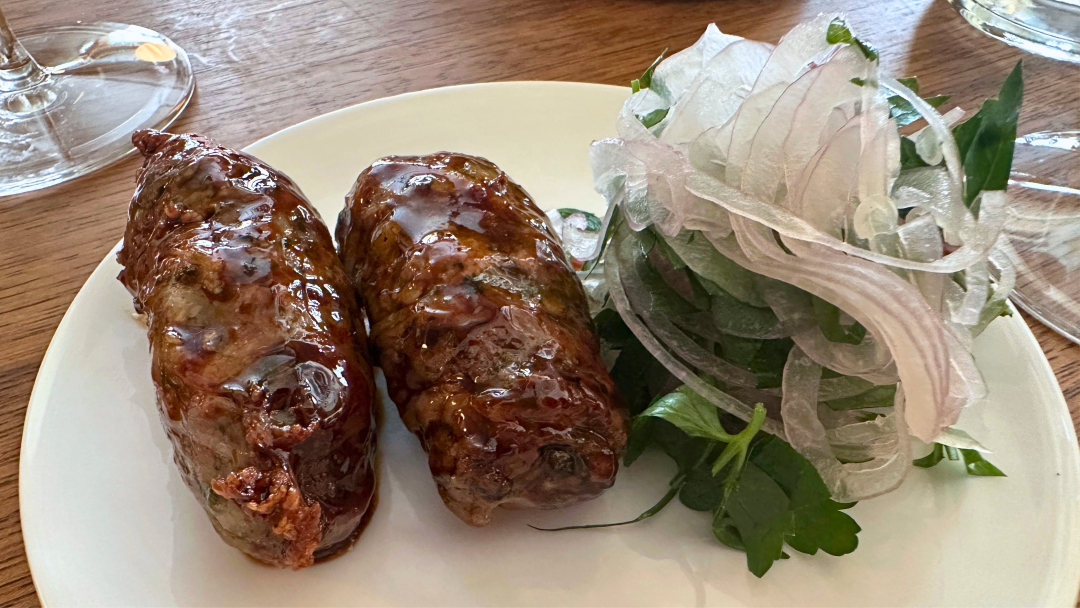
Sheftalia, Tamworth pork wrapped in caul fat and grilled.
The next plate looks like a pair of stubby sausages. Sheftalia is a traditional Cypriot dish. Impala uses Tamworth pork wrapped in caul fat (pig’s stomach lining) and grilled over hot coals, served with fresh parsley and raw daikon radish. These are seriously good: intense in flavour with just the right amount of smoky pepperiness, leaner than expected — definitely a dish that is best shared.
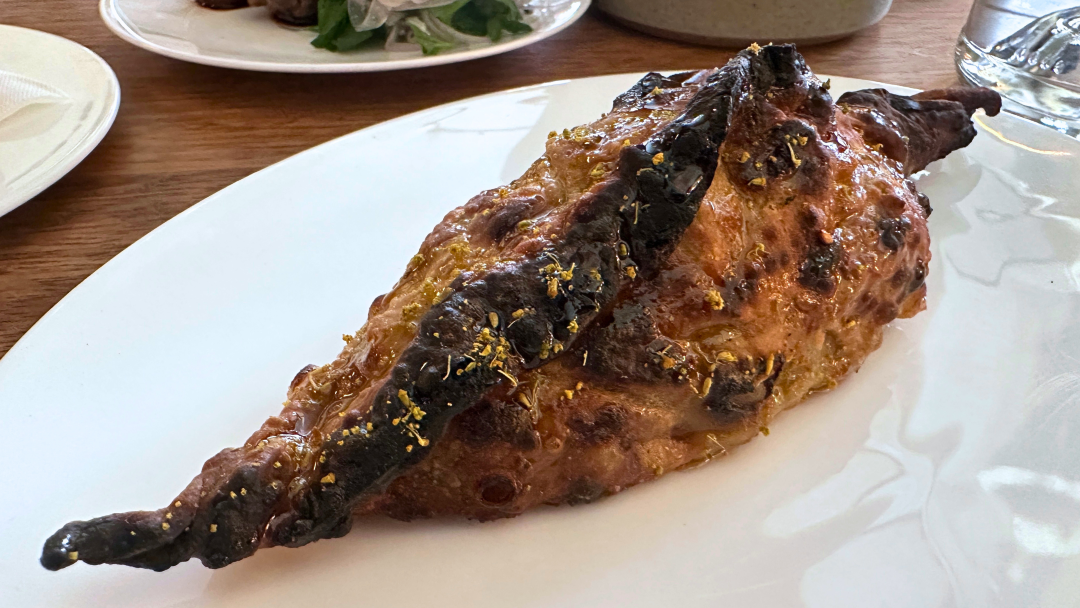
Arrowhead spinach and aged feta börek with wild honey and fennel pollen.
Next, a Turkish-inspired creation. The Arrowhead spinach and aged feta börek with wild honey and fennel pollen is wonderful, the spinach perfectly cooked to retain those irony notes, which are countered by the subtle sweetness of the wild honey. This is one of the highlights of the meal — extremely well executed. The salad of summer fruit with chilli salt was recommended but does not quite work for me. It just lacks the personality of the other dishes, and the chilli salt feels otiose.
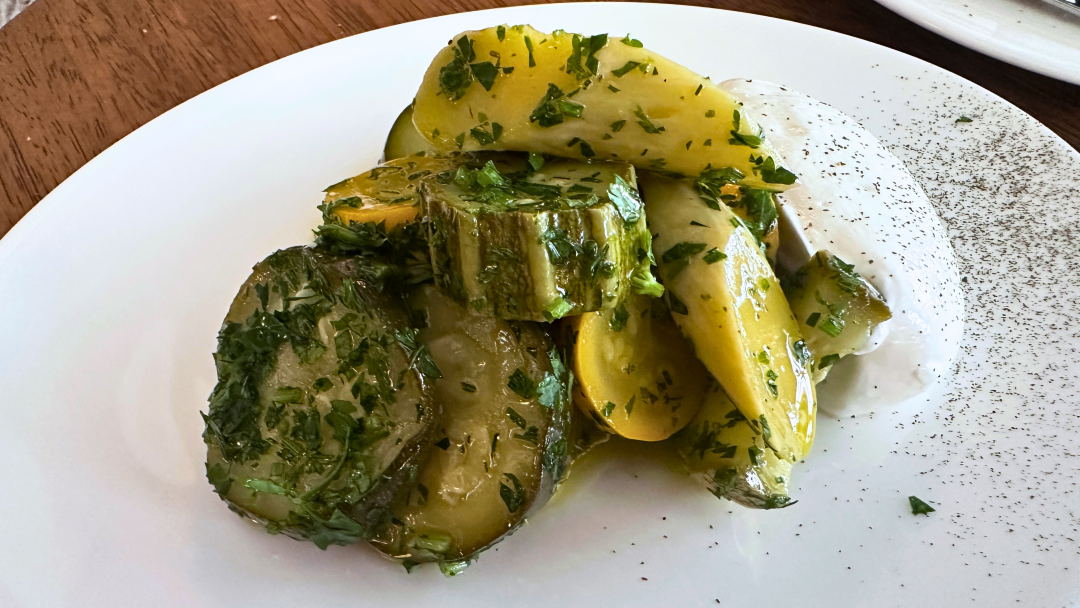
Barigoule of courgettes with hung yoghurt.
I prefer the barigoule that uses courgettes instead of artichokes, served with hung yoghurt. The courgettes, admittedly not my vegetable de choix, are perfectly cooked and seasoned, the yoghurt runny and sweet.
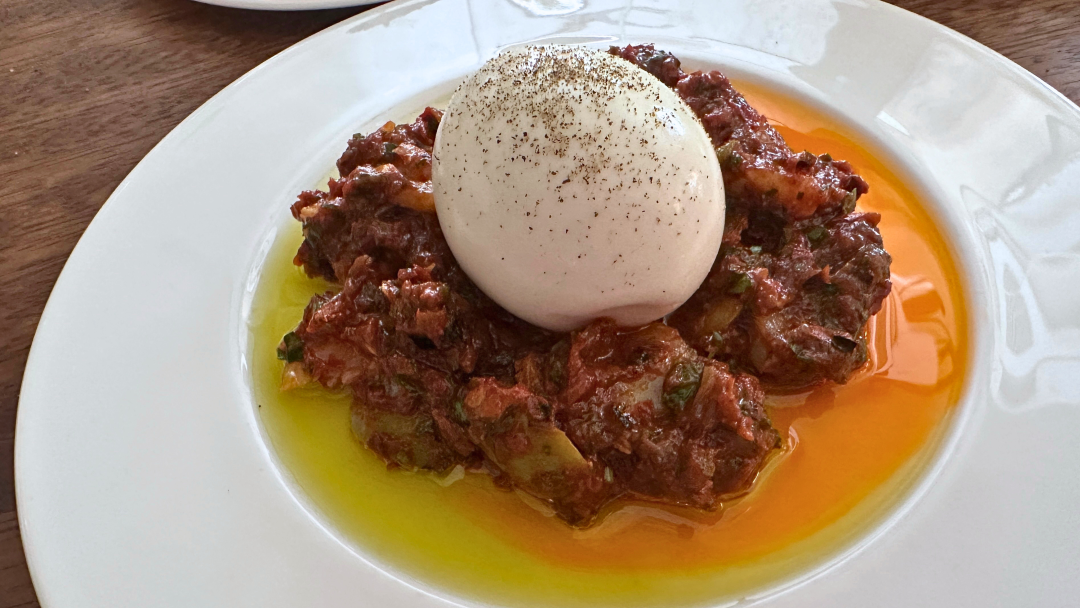
Mechouia of confit pollock and aubergine with black lime bambalouni.
The mechouia of confit pollock and aubergine comes with a black lime bambalouni on the side. Perhaps here, the subtle flavour of the fish is overwhelmed by the seasoning and the sauce, though the sauce is so delicious I do not care. I wonder if a stronger-flavoured, meatier fish might work better? The bambalouni feels a bit surplus to be honest.
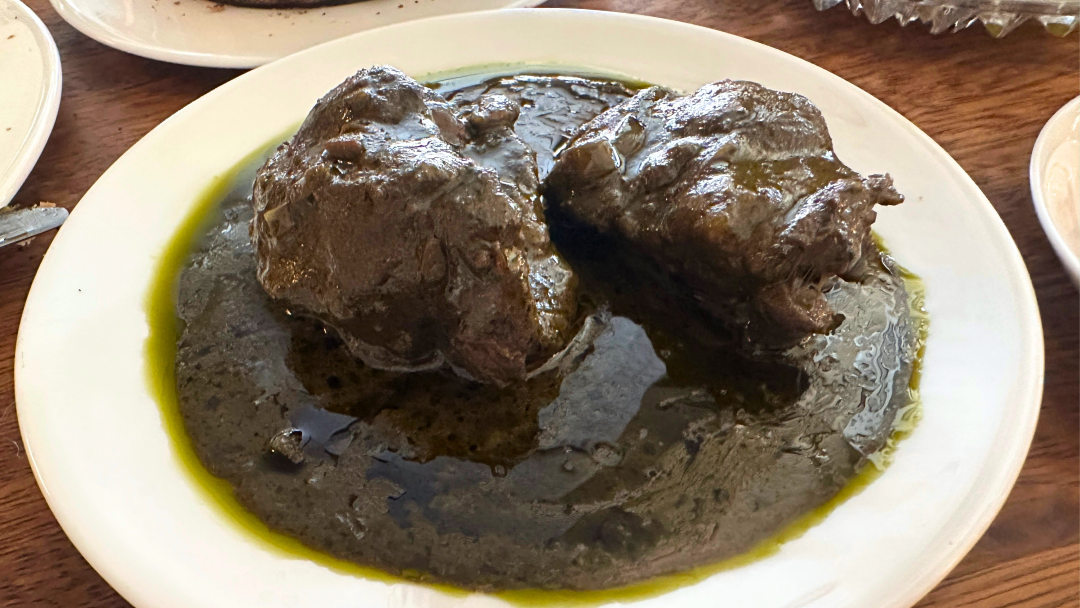
Molokhia, braised jute leaf and cull yaw.
Our waitress forewarned that molokhia is hardcore. We would either love or hate it. Bring it on! This is a traditional Egyptian soup using braised jute leaf and cull yaw, which is a mature mutton from older ewes. Not aesthetically the prettiest dish, its dark green lacquered hue absorbed surrounding light. But the flavour is fabulous. It has an appetising bitterness and quite jarring, yet compelling, earthiness. The cull yaw itself is so soft and tender that for a moment, I wonder if we had been mistakenly served the sweetbreads. I can understand why this might not be to everyone’s taste, but certainly give it a try. I like the fact that such an uncompromising dish is served in the middle of Soho. It does that magical thing of whisking the diner to its country of origin.
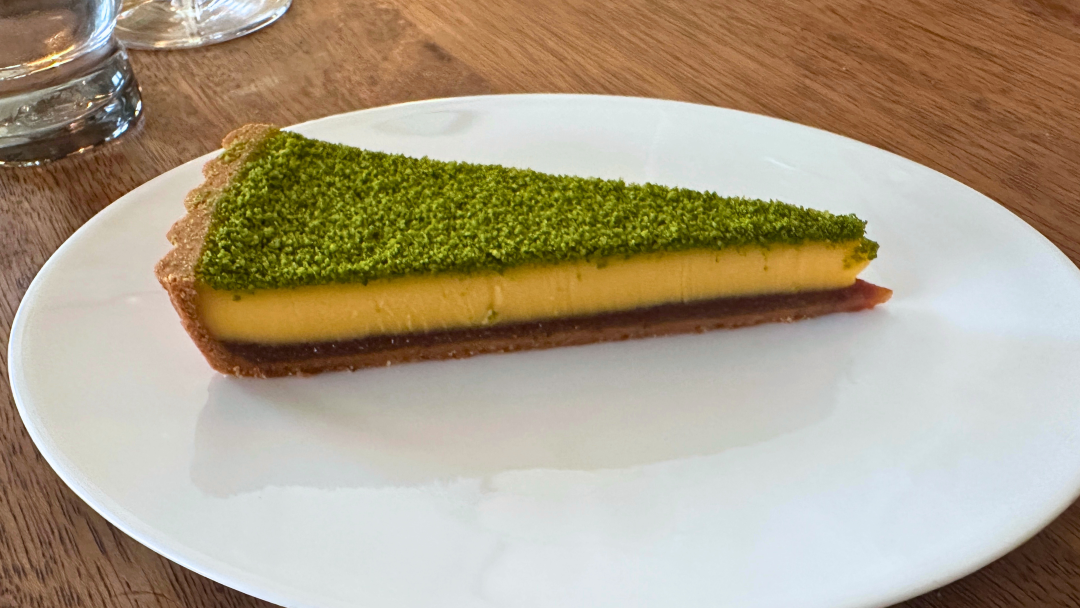
Date and pistachio tart.
Regarding dessert, I have bad news and good news. The bad news is that Impala only offers one dessert. The good news is that the date and pistachio tart is fabulous, a recipe impossible to improve upon unless you double the portion size. It is perfectly balanced, with a thin pastry crust, a layer of date paste that offers natural sweetness without feeling sugary and a pure set custard topped with a dusting of pistachio crumb. Each mouthful is heavenly.
When I looked at Impala’s website in advance I found a rather perfunctory wine list. They told me that corkage was available at a reasonable £30 per bottle. However, on the day, my curiosity was piqued conjecturing about the ideal wines for Egyptian or North African cuisine, so I chose to pick from their list.
Good decision.
That’s because the website does not reveal what is, in fact, a comprehensive, eclectic and well-chosen wine list. I summoned the sommelier. “Hey, why is this list not on the website? Why are you hiding it?” I enquired. She told me that since the menu is still in flux, they prefer to keep the wine selection fluid. They will lock it in once the menu has settled down. The current list embraces Old and New World with a leaning towards Southern France and Mediterranean islands, traditional and natural producers (with the obligatory smattering of orange wines for the Soho hipsters), blue chips cheek by jowl with newbies. Refreshingly, the list highlights many sub-£65 bottles for us mortals who do not drink DRC for breakfast. I found numerous producers lauded by this very publication, and looking deeper, there were quite a few with modest bottle age. Throw in many wines by the glass and, to my pleasant surprise, there is no question that Impala will satisfy demanding wine lovers.
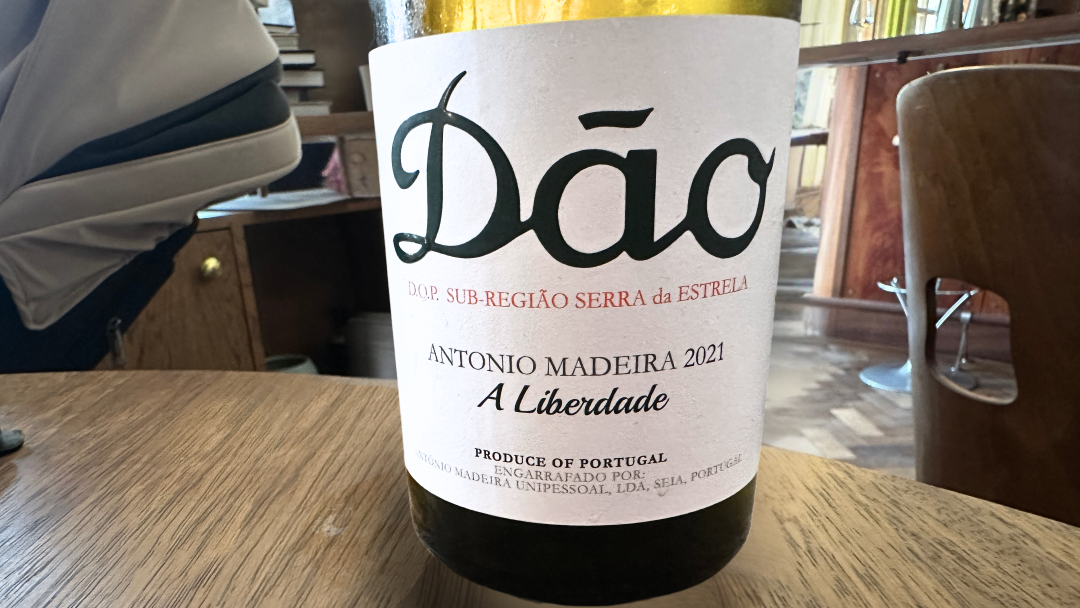
As it was lunch, I sought one bottle that would do the business. Given the tropical heat outside, it had to be white. I picked one of my favourite Portuguese wines: the 2021 Dao A Liberdade from António Madeira. The 2021 is a field blend of 20 varieties (a majority Encruzado, Bical and Cerceal from vines between 50 and 70 years old), uses low sulphur and was matured in stainless steel. Glinting with a silver hue, this has a striking nose that does not disguise its oxidative element, though it is pitched just right and adds another dimension to the citrus aromas. The oxidative notes are less evident on the palate, which is very well balanced, taut and linear, coping with the spicier dishes with ease. It relies on tension instead of weight and texture, and pulls that off extremely well. Though it is perfect to drink now, the 2021 will give several years of drinking pleasure.
Impala will be among my top restaurants of 2026. It is definitely one of the capital’s most exciting openings. Its multi-international blend of cuisines could have resulted in an incoherent mish-mash. But Meedu Saad manages to weave a common thread throughout the diverse array of dishes, and they translate the authenticity that derives from his family’s heritage. Ideally, come as a group and share as many dishes as you can. Don’t worry about the spices — nothing will leave you urgently requesting a fire extinguisher, but do mention to the waiter if you would like to avoid them. Whilst many restaurants of this ilk seem to regard wine as either an afterthought or a cash cow, Impala clearly has the oenophile at mind and caters to nearly all tastes without breaking the bank (unless that’s the intention).
Impala is your new favourite restaurant.
© 2026, Vinous. No portion of this article may be copied, shared or redistributed without prior consent from Vinous. Doing so is not only a violation of our copyright but also threatens the survival of independent wine criticism.