
Browse using the new Vinous website now. Launch →
Printed by, and for the sole use of . All rights reserved © 2015 Vinous Media
La Kanro
〒530-0045 Osaka
Kita Ward
Tenjin Nishimachi
3−9 NUI 南森町南側
Japan
BY NEAL MARTIN | JUNE 4, 2026
The Food:
Asparagus soup with chorizo and paprika
Smoked cashew nut sauce and caviar with egg yolk confit
Carpaccio of grouper, winter melon seasoned with capers and dill, croquette
Foie gras terrine with potato purée and edible flowers
Yellow zucchini with butter sauce, broccoli, black olive powder and micro herbs
Scabbard fish with paella and sabayon sauce
Charente duck with consommé and mushroom
Vanilla praline with caramel sauce, rum and coffee
Petit fours and chocolates
The Wines:
| 2011 Domaine Dureuil-Janthial Rully Village | 83? |
| 2018 Domaine Henri Magnien Gevrey-Chambertin Les Cazetiers 1er Cru | 91 |
I have never dined at any restaurant where I felt so unwelcome as La Kanro. I wasted a precious night in Osaka feeling like a prisoner, one eagerly awaiting “release.” This Vinous Table is not a recommendation of where to go, but where to avoid, a pertinent reminder that even in the gastronomic nirvana of Japan lurk establishments that can be crushingly disappointing. To those oenophiles venturing to Japan’s second-largest city, La Kanro will look tempting because it boasts a 1,000-bottle, Burgundy-focused wine list. Indeed, that was precisely why I chose it. Though it did deliver on that promise, so much went awry that the enticing list is irrelevant. Even if I had ordered a bottle of DRC at cost, the experience would have left a sour taste in my mouth.
A few weeks earlier, I was trawling a well-regarded restaurant reservation site. Seeking a restaurant with a strong wine selection, I thought La Kanro seemed ideal, but scouring the web, I perplexingly could not locate a website or telephone number. I therefore could not call ahead to get a feel for the restaurant and pay a cheaper price than advertised to unsuspecting foreigners forced to book through sites such as these. This was a red flag, one I ignored. Nevertheless, I booked a table via telephone courtesy of my Japanese wife and duly received confirmation. Oh, so there is a contact number.
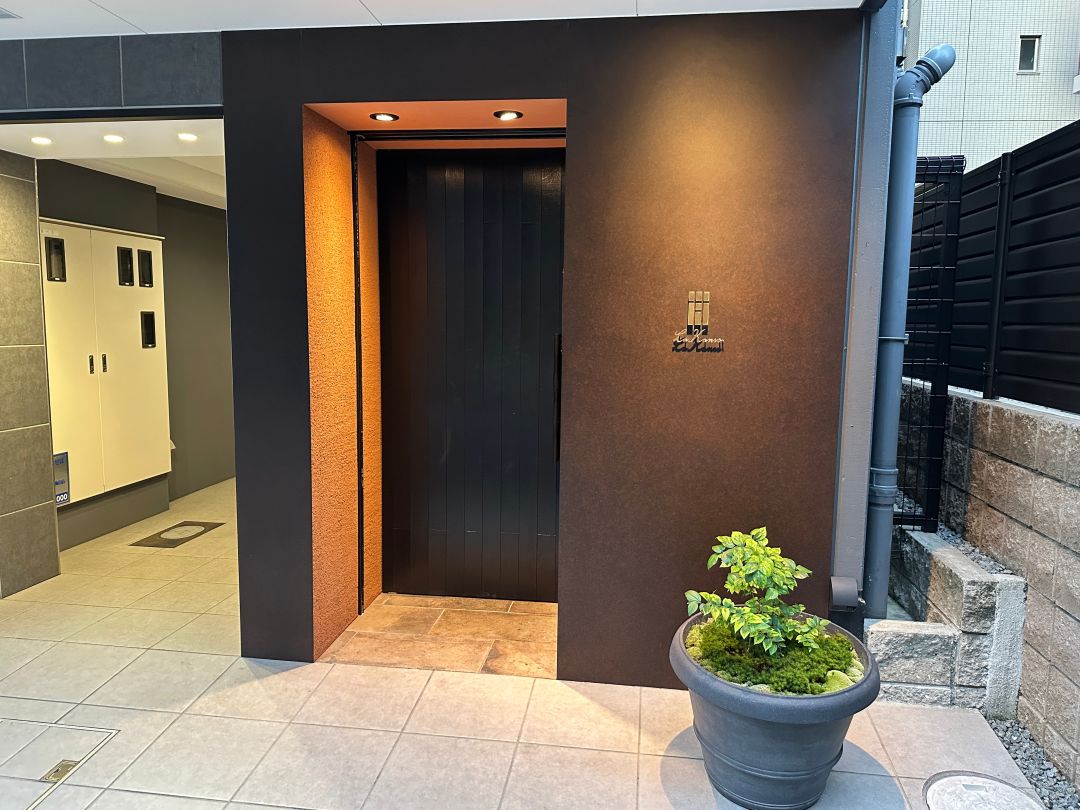
The entrance of La Kanro.
La Kanro is one of countless Japanese restaurants hidden in plain sight. Its façade is completely nondescript, just a front door with the name written only in Japanese script. After pressing the intercom, we enter a dark corridor, met by a smartly attired young man. There is no warm welcome. No holler of “Irrashaimase!”, the obligatory greeting, whether you enter a local bar or gastronomic temple. The man seems ill at ease. Yet there is no language barrier since I am with my wife. He escorts us to the first floor and introduces us to what is best described as a prison cell. This private space is small, with no windows except a knee-high pane overlooking fake foliage. No artwork. Not even background music for the first hour.
Upon asking why we must dine in this cell, we are informed that the six-seat counter is full. When I ask to see for myself, my request is rebuffed. There is an awkward pause. We tell him that we had no warning of the possibility of dining in this soulless space, sectioned off away from sight. He replies that there was a phone number on our confirmation and that we could have asked. Sorry, but that’s a lame excuse. The pleasure of dining at a Japanese counter is the interaction between guest and chef, as proven at Hortensia two nights earlier. Shunted to the side, we were deprived of any interaction with either fellow guests or the chef. There is no background noise, no sight of the kitchen and just one waiter who says nothing until halfway through the meal. It’s a wretched experience. I empathise with chefs who may feel embarrassed at being unable to communicate with their clientele. However, if that is the case, do not advertise on reservation sites available to non-Japanese diners.
If only the overriding feeling of being persona non grata was the restaurant’s only shortcoming. I have used Vinous Tables to compliment numerous sommeliers. At La Kanro, ours might look the part…but there’s no passion, no willingness to interact when asked wine-related questions (in Japanese), and scant knowledge of the very region that is the restaurant’s calling card. He makes no wine recommendations. He places the bottle that I have brought without asking if it should be decanted. It sits on a shelf, forgotten…
Like us.
Eventually, he stops topping up our glasses.
I do it myself.
That’s a pity because, fair dues, the wine list is awesome: pages of Burgundy with plenty of mature vintages, prices not cheap but not outrageously marked-up. Such bottles are wasted here.
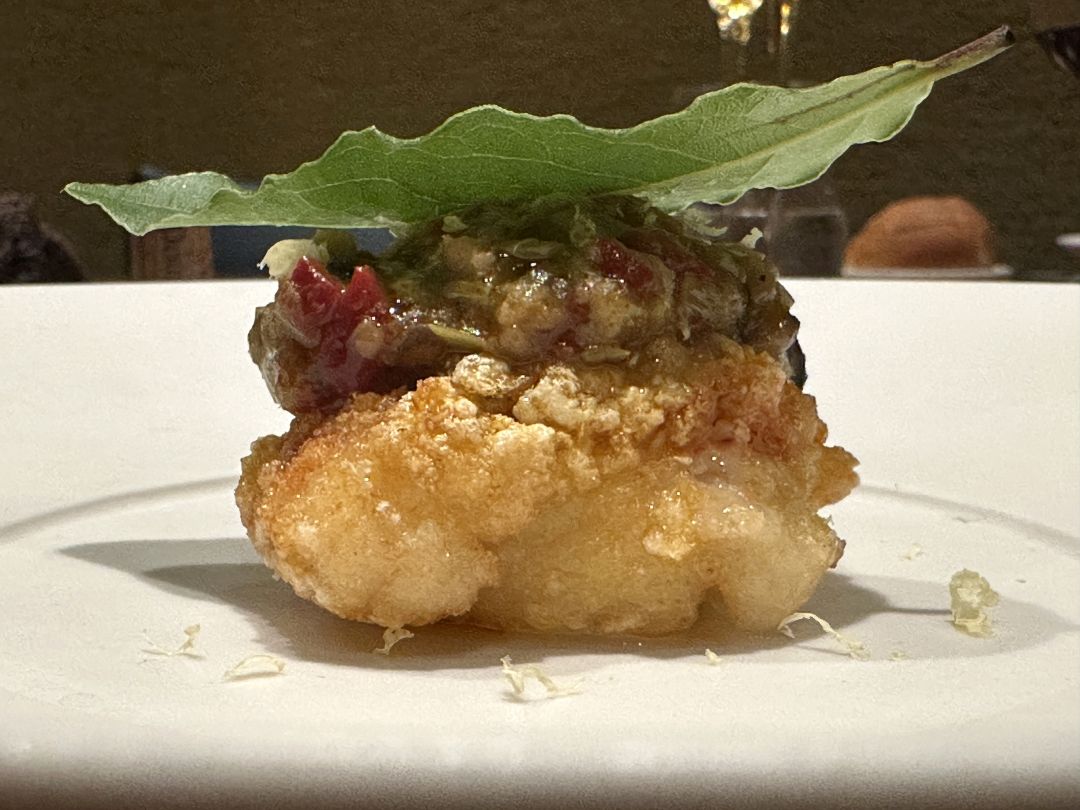
The one redeeming dish: carpaccio of grouper, winter melon seasoned with capers and dill, croquette.
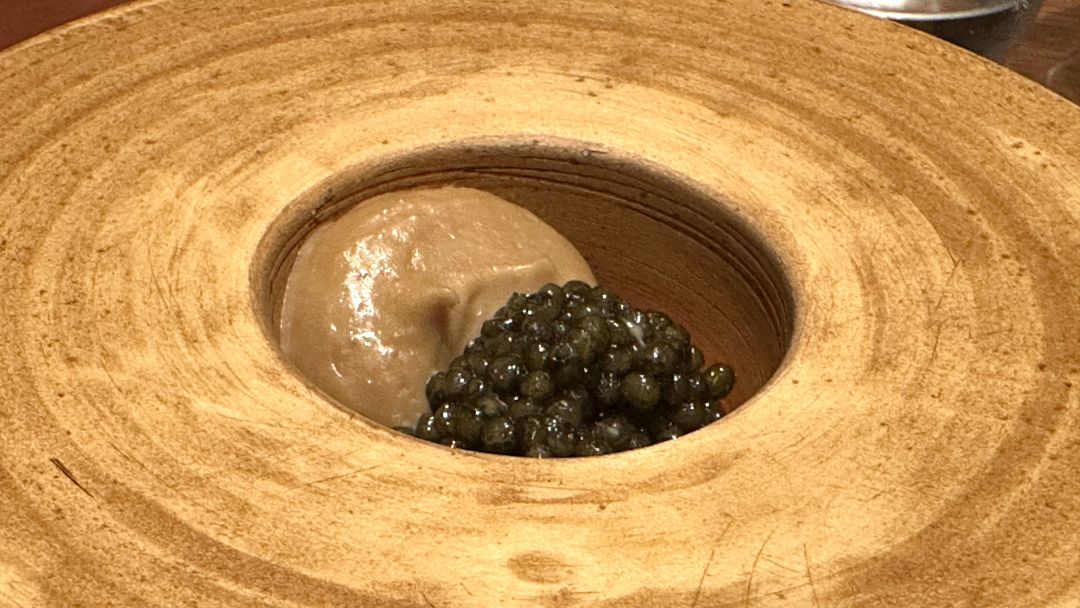
Smoked cashew nut sauce and caviar with egg yolk confit.
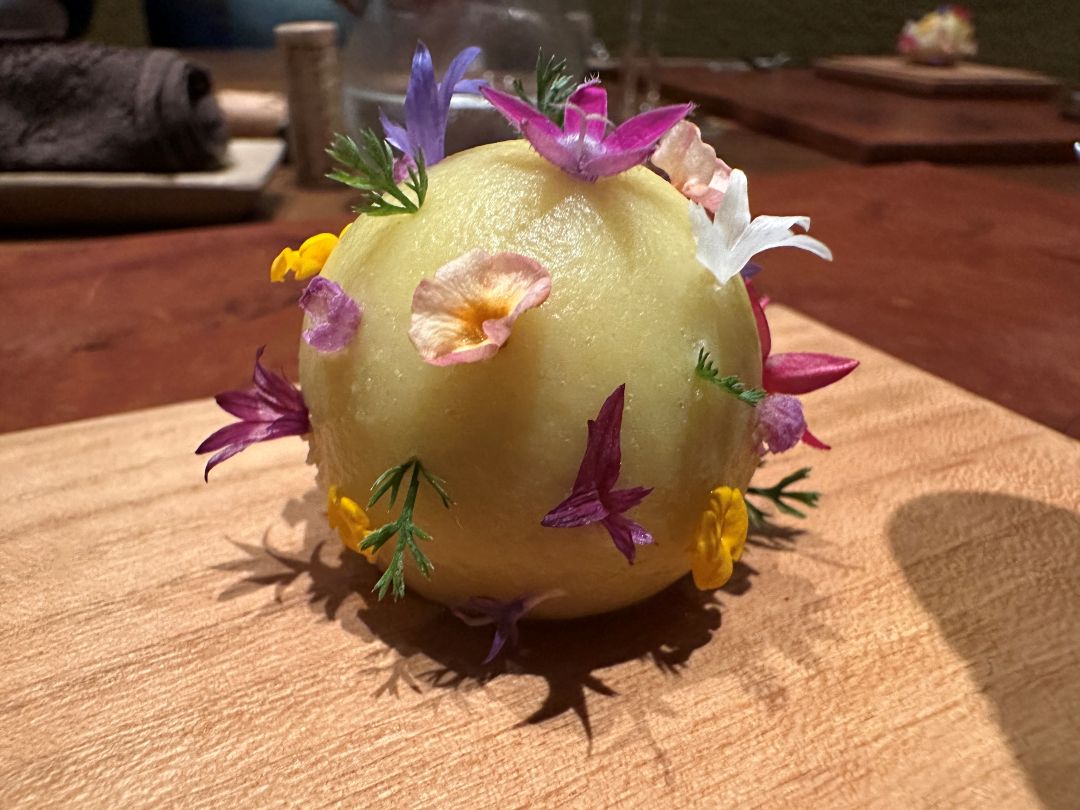
The foie gras terrine with potato purée and edible flowers completely lacked the artistry of Chef Koga at Hortensia earlier that week.
The quality of food does not compensate. It is Michelin-by-numbers, technically competent but lacking flair, joy and presentation skills, to the extent that I’m not going to waste time appraising each dish. To be fair, an early course of cashew purée with caviar over a smoked egg yolk raised expectations—interesting and quite delicious. But the following dishes are mundane, uninspired and occasionally undermined by ill-advised ingredients. The menu lacks any cohesion, and there is no logical flow between dishes. There are far too many petit fours at the end with no offer of a takeout box. La Kanro’s mediocrity was thrown into sharp relief by the exquisite dishes served at Hortensia that were still fresh in our minds. Obviously, there is a gulf in quality between a one-Michelin-starred restaurant and…a one-Michelin-starred restaurant.
Midway through our meal, a different man enters our “cell” to serve a course, head bowed down, seemingly in a hurry. There is no introduction or small talk, and he explains the dish with minimal words before scurrying out. I whip out my iPhone and search for La Kanro’s chef. As I suspect that man was Head Chef Junichi Nakamine, formerly of L’Astrance, no less. He returns later, avoiding eye contact and virtually ignoring our presence. I call out and politely enquire if he might be the chef? He replies affirmatively then hotfoots it out to where I assume there is some semblance of a restaurant. That’s the last we see of him.
At the meal’s conclusion, I insist upon at least setting my own eyes on the counter. By this time, the chef has departed and there are two diners remaining. I’ve been to funerals with more atmosphere. Were the other four seats filled? I’ll never know. I suspect not. I pay the bill, a very reasonable 20,000 yen (about £100) per person, though that might include a discount. Credit where credit is due, the restaurant had no problem accepting my request to bring a bottle and charged a very reasonable corkage fee of 4,000 yen, about £20.
With regard to the wines, I ordered a bottle of 2011 Rully Village from Domaine Vincent Dureuil-Janthial. The sommelier did not check the wine himself. It is perturbingly deep in colour and shows a bit of oxidation. Then again, perhaps I have myself to blame for ordering a 14-year-old village cru, even from the best white producer in the Côte Chalonnaise. I chill the bottle down and it actually makes a decent, slightly oxidative foil to the lobster course. Most of it goes undrunk. My bottle of 2018 Gevrey-Chambertin Les Cazetiers 1er Cru from Domaine Henri Magnien is the one relief of the evening, even if it is more marked by the warm summer than I would like. Mulberry, damson and crushed iris flower burst on the nose, gaining delineation with aeration. The palate is rounded and lush, the cooler mesoclimate imbuing more acidity and raciness than it otherwise might have had, with a sweet and just slightly confit-like finish. I would afford the 2018 another two or three years in bottle.
La Kanro was by far my worst restaurant experience of 2025. Sometimes, if the food does not pass muster, you can laugh about it. It comes with the territory. La Kanro was a sharp reminder of how much one’s enjoyment of a restaurant rests on the communal experience of dining—the importance of ambiance, friendly service, a simple smile. The absence of these rendered this a soulless, dispiriting experience and induced the simmering frustration of having wasted the chance to visit superior restaurants nearby. After all, this is Japan. This experience highlighted the shortcomings of using ever-popular reservation websites to access coveted seats at in-demand restaurants because, frankly, they are not going to tell you how you will be received as a foreigner on that night. I gain no satisfaction in skewering any establishment, but I hope this serves as a warning to others who might be seduced by the wine list.
Maybe I just caught La Kanro on a bad evening, but that is an evening I can never get back.
© 2026, Vinous. No portion of this article may be copied, shared or redistributed without prior consent from Vinous. Doing so is not only a violation of our copyright but also threatens the survival of independent wine criticism.
You Might Also Enjoy
Vinous Table: Hortensia, Tokyo, Japan, Neal Martin, June 2026
Vinous Table: Moritaya, Tokyo, Japan, Neal Martin, August 2025
Vinous Table: Maison Fujiya, Neal Martin, August 2025
Vinous Table: Uni Murakami, Hokkaido, Japan, Neal Martin, August 2025
Vinous Table: Sens & Saveurs, Tokyo, Japan, Neal Martin, August 2025