
Browse using the new Vinous website now. Launch →
Printed by, and for the sole use of . All rights reserved © 2015 Vinous Media
Champagne: The 2026 Spring Preview
BY ANTONIO GALLONI | MAY 1, 2026
Champagne is one of the brighter spots in a world fraught with uncertainty. I continue to be impressed with the dynamism and overall energy that is palpable here, even in the current environment. Young, quality-minded growers keep popping up at a pace that is hard to keep up with. Not to be outdone, the larger players continue to invest and innovate, knowing they can’t afford to stand still. As usual, I visited a mix of growers and houses on my March trip, with a focus on producers whose wines are entering the market imminently. Our coverage will continue throughout the year.
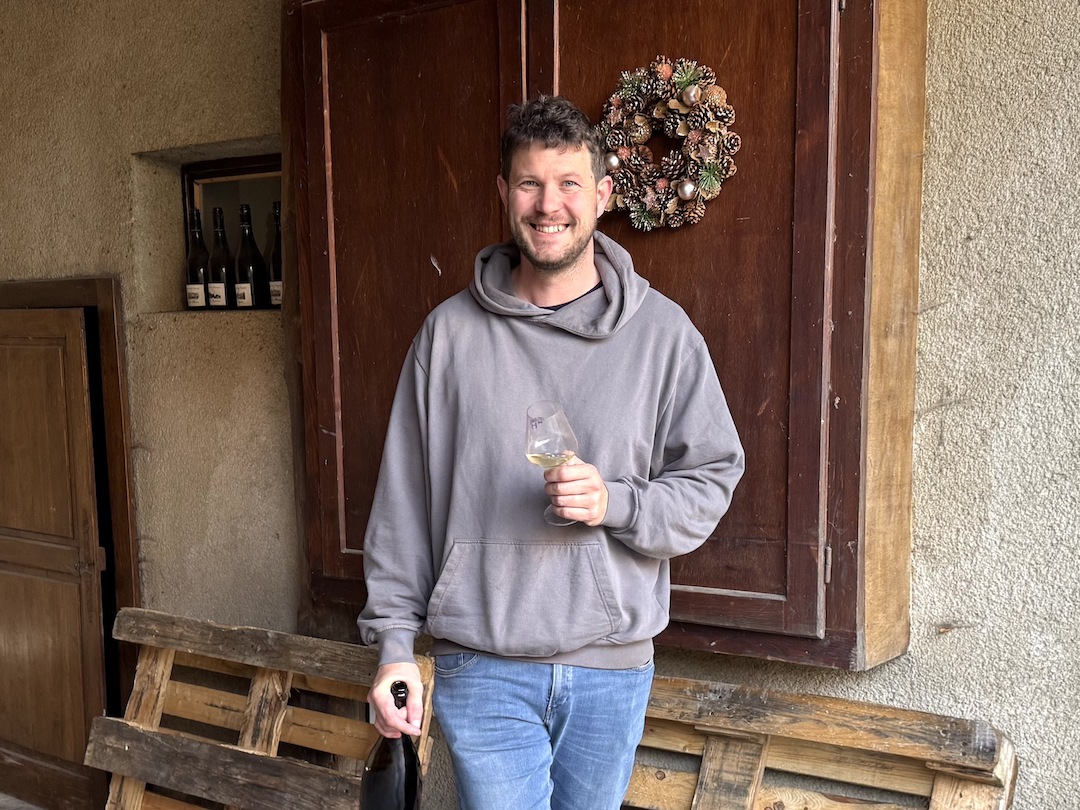
Alexandre Chartogne at his family’s home and cellar in Merfy. Chartogne is finishing work on a new cellar just down the road.
Several growers I visited continue to expand production and make significant investments in their facilities. These include Bérêche, Chartogne-Taillet, Laval and Savart. Of course, much of this was planned well ahead of the current slowdown, but work at all four estates is very much on pace. At the other end of the spectrum, larger houses continue to develop and introduce new, smaller-production wines in the spirit of grower Champagne, while also making considerable long-term investments in farming and overall operations.
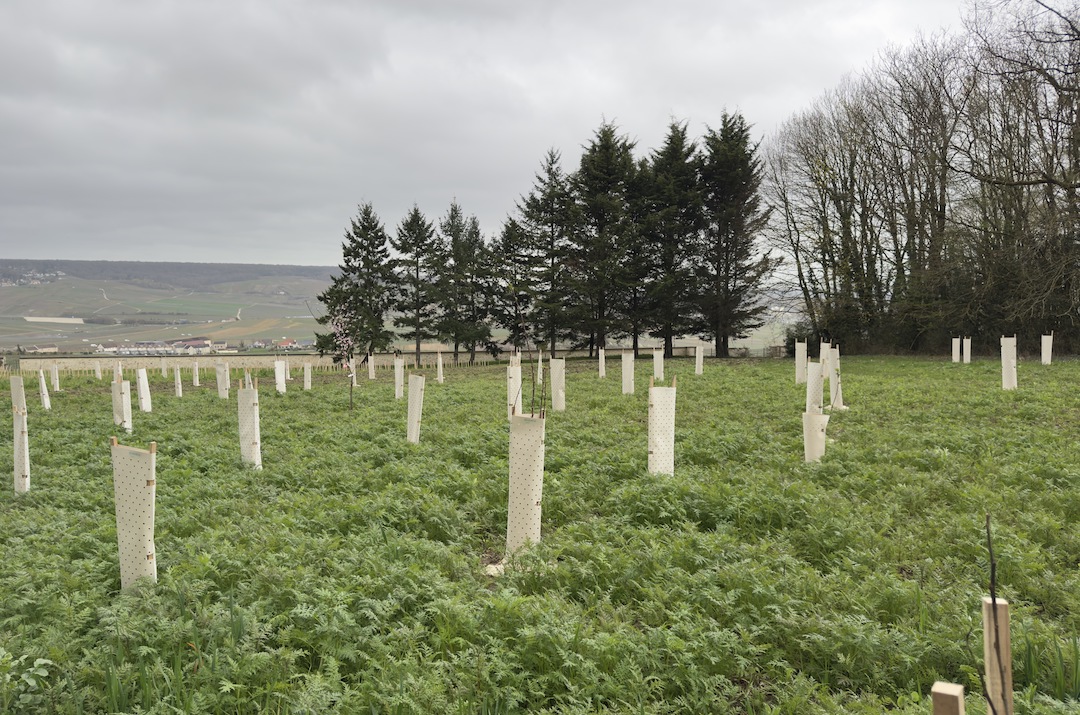
Dom Pérignon’s experimental vineyard at Hautvillers, where trees and other crops are being planted alongside vines to encourage the development of vibrant, sustainable ecosystems.
Dom Pérignon: A Case Study
Dom Pérignon provides a fascinating case study of the mindset of today’s grandes marques and the younger generation of Chefs de Caves. Dom Pérignon’s ambitious project to plant trees and other crops within vineyards to encourage the development of vibrant ecosystems represents a major shift in thinking—an attempt to apply a grower mentality to vitiforestry, regenerative farming, sustainability and related concepts at a larger scale. It’s a major long-term financial investment, which sends a message to the entire region as to where Champagne is headed. What is happening at Dom Pérignon today is nothing short of a revolution.
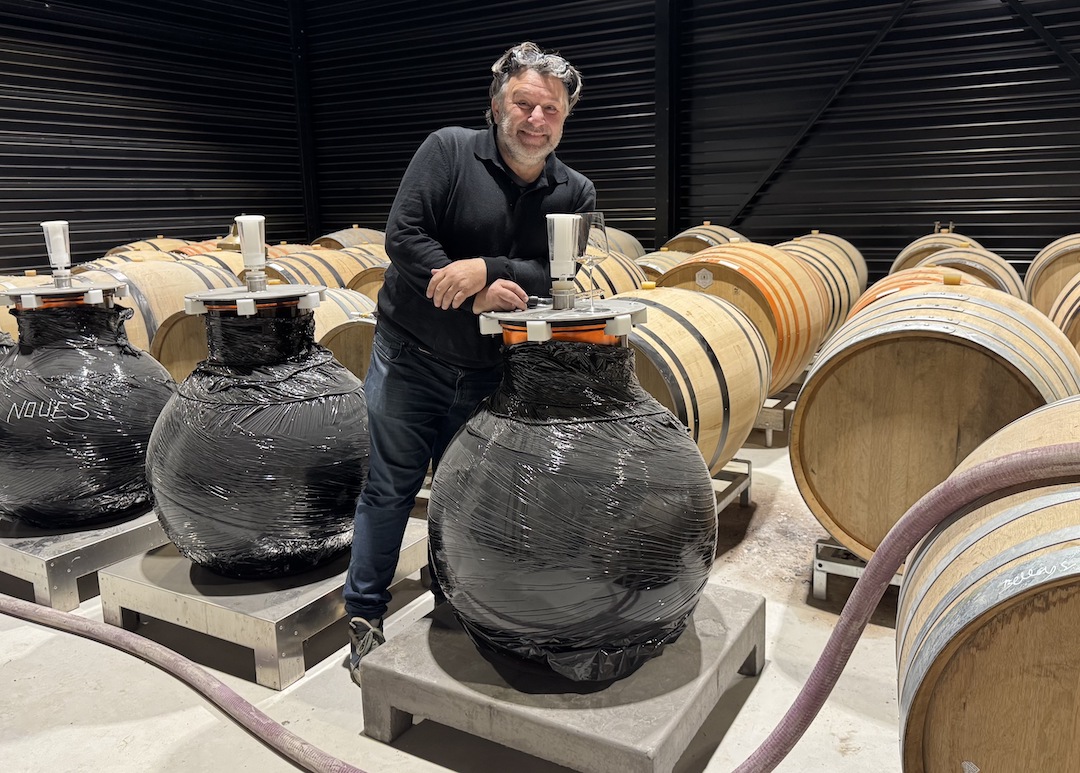
Tasting vins clairs with Fred Savart at his new winery. Like many of his colleagues, Savart reported very low yields for Chardonnay in the Côte des Blancs caused by three nights of extreme cold in May.
A First Look at 2025
As I have written before, extrapolating meaningful conclusions from base wines that will be blended is tenuous at best. Even so, tasting vins clairs does provide some insight into the style of the year.
One of the obvious aspects of 2025 is that sugars are high. I suspect that is a combination of the growing season itself and an increasing awareness about the importance of achieving full phenolic ripeness, given the vegetal qualities that were issues in 2011, 2015 and 2020. Achieving full physiological ripeness is one of the main topics of discussion in Champagne today. “Expectations of ripeness have changed,” Mathieu Roland-Billecart explained. “We had to go high in sugar levels for the grapes to taste right.”
There is no way to get around the fact that Champagne is now often harvested at 12-12.5% in alcohol, in some cases even higher. Readers who have tasted wines in barrel in Chablis and the Côte d’Or will find the differences between vin clairs in Champagne and young Chardonnays in Burgundy to be blurred. Champagne gains about 1% in alcohol during fermentation, which means that some bottled Champagnes will start approaching 14% alcohol. Of course, alcohol is only one part of a complex equation. Thus far, acidities (as measured by pH) have not moved that much, but the implications for the future are considerable in a world where climatic conditions continue to evolve.
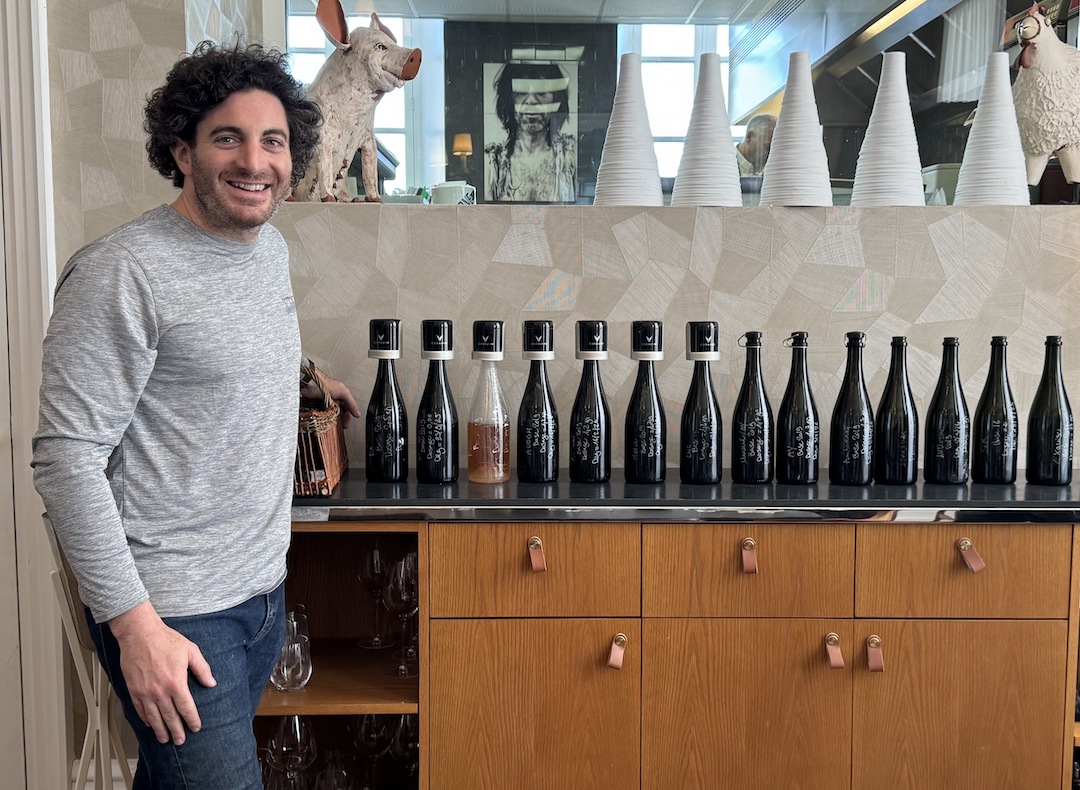
Guillaume Selosse’s range of new releases includes a new Coteaux Champenois and the return of the Demi-Sec Exquise.
Yields are down, the result of grey, windy weather and generally poor conditions during the 2024 flowering that led to low fertility in the buds in 2025. This is the same phenomenon that affected yields in Bordeaux. Ripeness arrived very quickly at the end of the season, forcing producers to make some hard choices. “It was very hard to know when to pick: before the rain, during the rain or after the rains in late August,” Guillaume Selosse explained. “We started on September 8 for the Pinots, after the rains.” That’s very late considering Avize opened for harvest on August 26. Vins clairs here are all above 13%.
“We had quite a lot of rain in July. Temperatures were high but with no sustained spikes,” explained Roederer Chef de Caves Jean-Baptiste Lécaillon as he presented several dozen vins clairs. “Usually, we like to pick on the later side in relative terms, but in 2025 we picked very early, from August 23 to September 2. It’s a Pinot year for us, especially in the Montagne de Reims, where we had less rain than in the Vallée de la Marne. We had a cold snap at the end of May that reduced yields in the Chardonnays by 40%.”
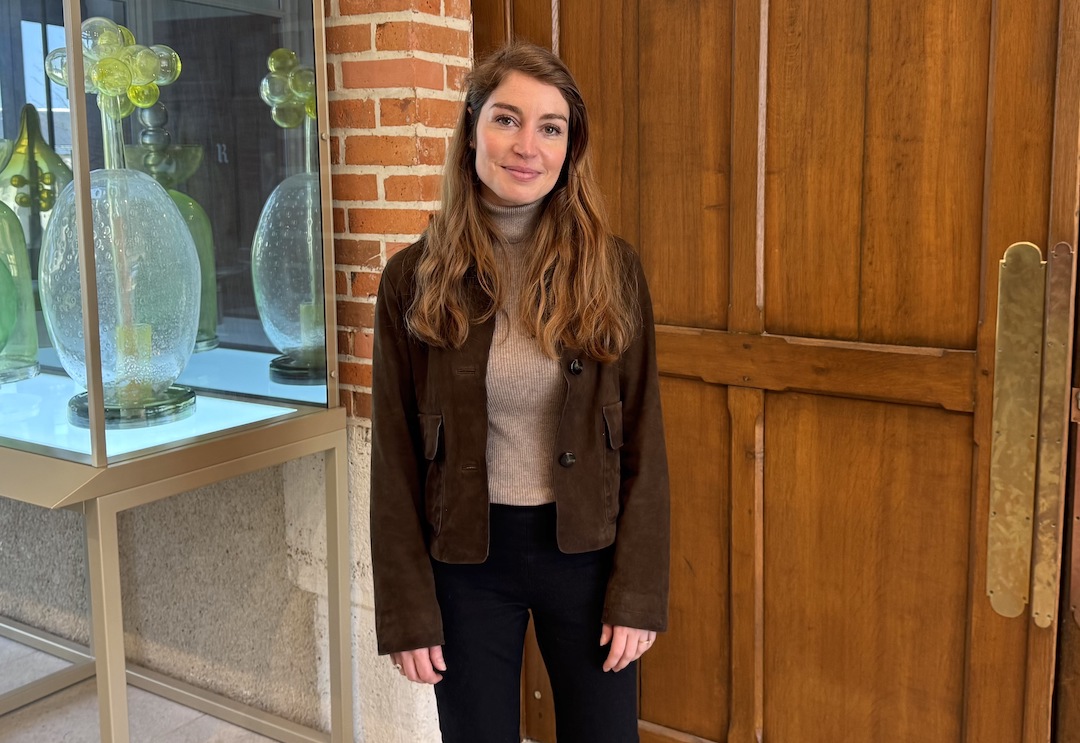
Caroline Fiot Watelet was recently appointed Chef de Caves at Ruinart after many years at both Ruinart and Moët & Chandon.
2023-Based NV Champagnes
The first 2023-based NV Champagnes are starting to hit the market. It’s a tough vintage marked by rain and intense heat just before harvest. Yields were elevated. Diligent growers sorted aggressively, but that may not have been enough to fully compensate for the whims of Mother Nature. Harvest was further complicated by the appearance of Drosophila suzukii, a fruit fly that pierces grape skins, immediately causing their juices to oxidize and resulting in elevated volatile acidities.
In my tastings, 2023-based Champagnes are soft and medium-bodied in structure, even allowing for the fact that base vintages are almost always blended with reserve wines. Tasting the 2022 and 2023-based editions of most Champagnes illustrates the differences between the generally lighter 2023-based wines and their noticeably richer, deeper 2022 counterparts.
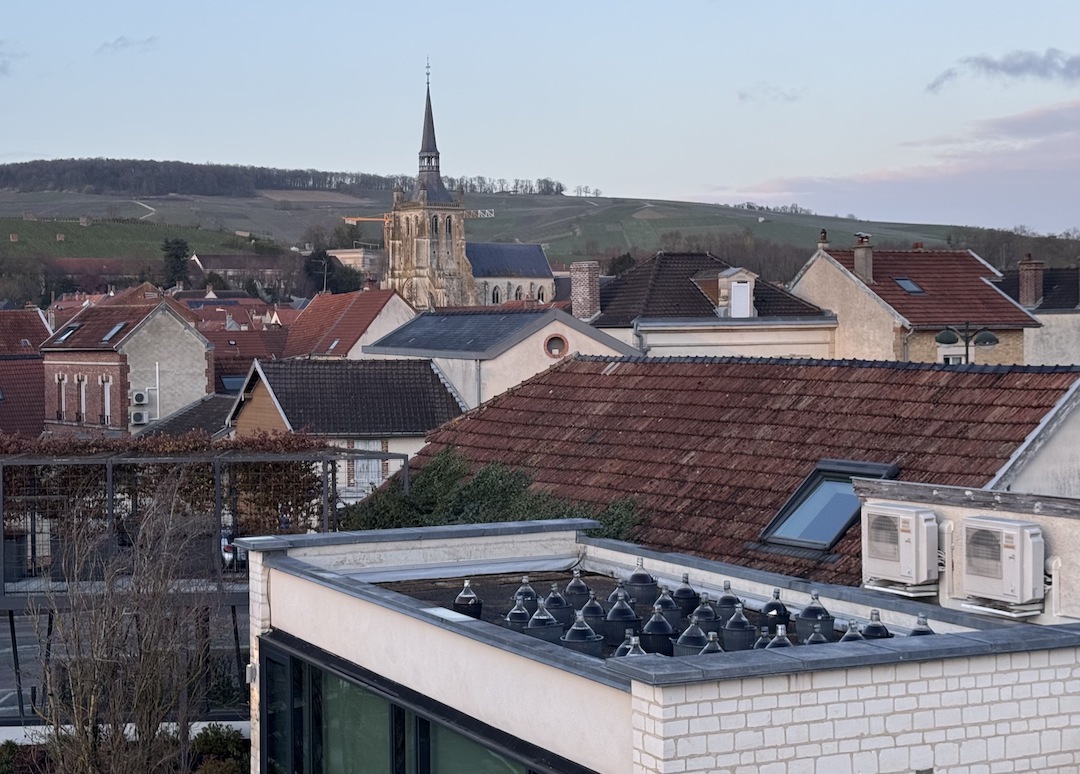
An unusual sight: Ratafia aging in glass demijohns on rooftops at Henri Giraud.
2021: It's Complicated
By now, it’s not a surprise to Vinous readers that 2021 was a very difficult harvest. Many producers did not bottle all their wines. This is especially true of growers who work with small parcels where blending across sites is not possible or part of the approach. As a result, many of those producers have moved on to the far more consistent 2022s.
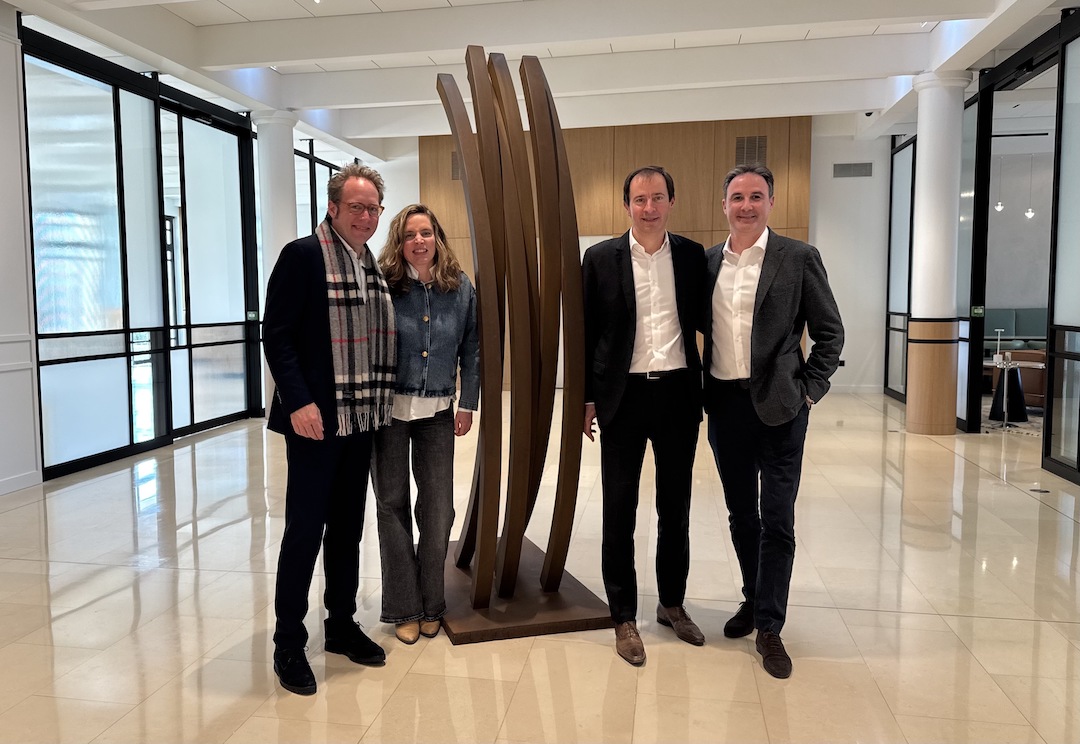
The team at Taittinger. From left to right: Clovis Taittinger, Vitalie Taittinger, Managing Director Damien le Sueur and Chef de Caves Alexandre Ponnavoy.
2018: Latest Thoughts
I must confess I have never truly loved 2018 as a vintage. Yields were a record high, and the wines always seemed to lack the mid-palate depth and overall balance of the very best years. A few new releases have started to change my view. I suspect that is mostly due to the top cuvées being released as opposed to the wines themselves having developed in an unexpectedly positive manner. Two thousand eighteen is an interesting vintage to explore, at least at the top end.
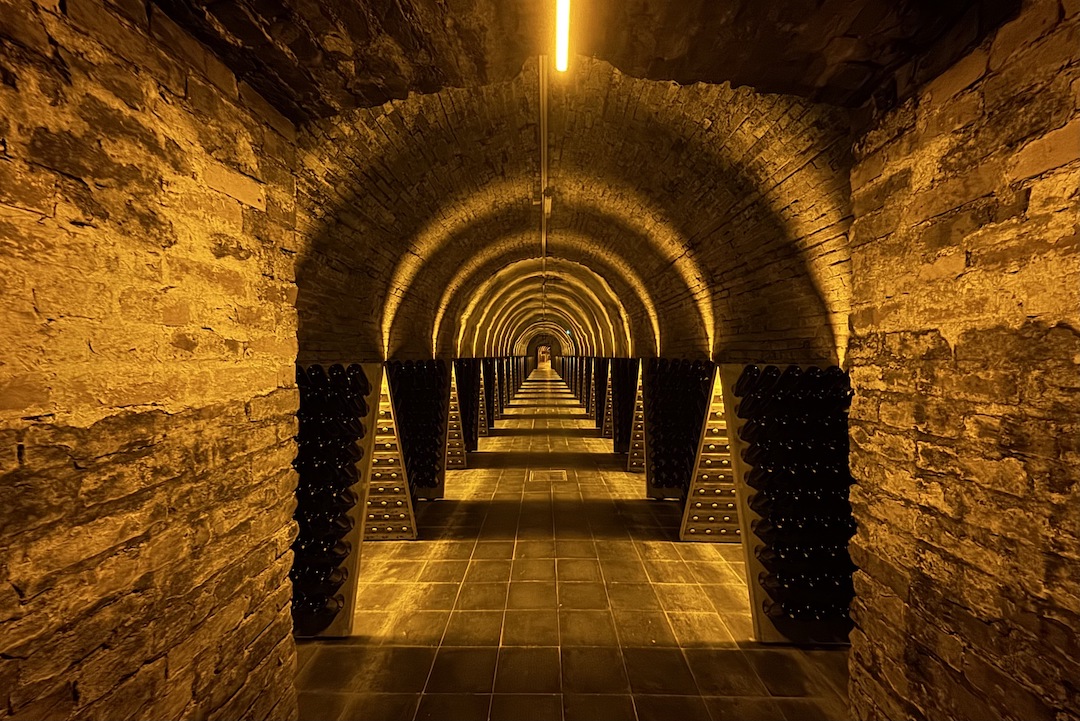
Laurent Perrier’s extensive underground cellars.
The Evolution of Non-Vintage Champagne
I don’t review many of the entry-level NV offerings because they often don’t indicate a base vintage or disgorgement date. This year I tasted more of these wines than in the past. I have to say, I was very pleasantly surprised. So many wines that used to be ordinary or innocuous are far better these days. It’s hard to know if this is the result of better farming and/or winemaking, the beneficial impact of climate change allowing better ripening in lesser-quality sites or some combination of factors. But it seems clear to me that the average level of quality in entry-level NV Champagnes has increased. This is a very positive trend since these are the wines most consumers will encounter.
I tasted all the wines in this report in Champagne in March 2026, with some follow-up tastings in my office in the weeks that followed.
© 2026, Vinous. No portion of this article may be copied, shared or redistributed without prior consent from Vinous. Doing so is not only a violation of our copyright but also threatens the survival of independent wine criticism.
You Might Also Enjoy
2025 Champagne: New Releases, Antonio Galloni, April 2025
Vinous Icons: Roederer – Four Decades of Cristal & Cristal Rosé, Antonio Galloni, November 2024
Champagne: The 2024 Spring Preview and Fall Additions, Antonio Galloni, March 2024
Champagne: 2023 New Releases, Antonio Galloni, November 2023
The 2022 Champagne New Releases, Antonio Galloni, May 2022
Show all the wines (sorted by score)
- Aurore Casanova
- Ayala
- Barons de Rothschild
- Benoît Marguet
- Bérêche et Fils
- Billecart-Salmon
- Bollinger
- Chartogne-Taillet
- Crété Chamberlin
- Domaine Les Monts Fournois
- Dom Pérignon
- Egly-Ouriet
- Fleur de Miraval
- Fleury
- Franck Bonville
- Georges Laval
- Gonet Médeville
- Guillaume S.
- Guy Charlemagne
- Henri Giraud
- Jacques Selosse
- Jacquesson
- Jérôme Prévost - La Closerie
- Krug
- Lafalise-Froissart
- La Grande Dame
- Laurent Lequart
- Laurent Perrier
- Marc Hebrart
- Mathieu Nicolas
- Matthieu Godmé-Guillaume
- Odyssée 319
- Pauline Collin Bérêche
- Philipponnat
- Pierre Péters
- Pol Roger
- Roederer
- Roger Coulon
- Ruinart
- Savart
- Siret Frère & Sœur
- Taittinger
- Tarlant
- Vilmart & Cie
- Vincent Laval
- Waris Hubert