
Browse using the new Vinous website now. Launch →
Printed by, and for the sole use of . All rights reserved © 2015 Vinous Media
2024 Vulture: Defying the Paradigm
BY ERIC GUIDO | MAY 14, 2026
Every wine region has its individual energy or aura. In Italy, that is most often informed by local culture. No other region in the world is more representative of this than Vulture. Located in Basilicata, Vulture was settled by Albanian immigrants between the 15th and 18th centuries, drastically shaping the area’s architecture as well as its winemaking traditions. Dug directly into the volcanic tuff rock, the famed ancient caves (known as Sassi or Cantine) that line the streets were once used for shelter and living quarters. Over time, inhabitants realized that these caves were ideal for wine storage and aging because they maintain a consistent balance of temperature and humidity year-round.
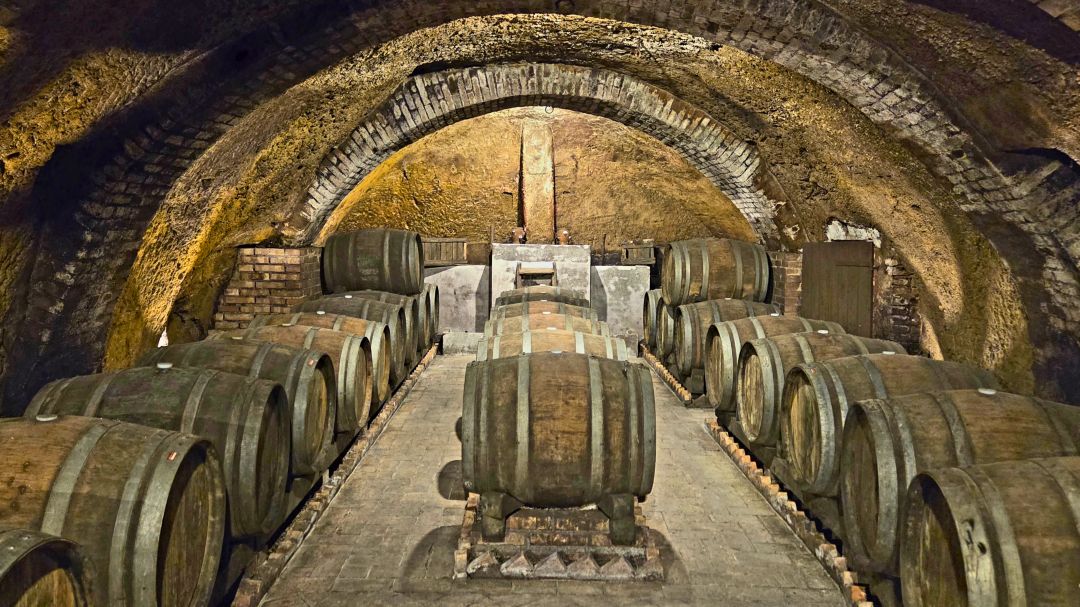
The ancient barrel-aging caves that now belong to Cantine del Notaio.
Geographically, Basilicata forms the arch of the Italian boot, nestled between three bodies of water. It touches both the Ionian and Tyrrhenian Seas and is only separated from the Adriatic by Puglia. The maritime influences of these three seas mitigate the region's heat. This is further balanced by the cooling influence of the Vulture massif and its significant elevations. That makes Vulture’s climate surprisingly continental, perfect for Aglianico, a variety that requires a long growing season and a late harvest to achieve ideal ripeness, acidity and complexity.
Vineyards are planted on the sides of the volcano, within its craters and in the surrounding landscapes, at elevations ranging from 200 to 700 meters. This creates a vast array of unique terroirs, formed by thousands of years of eruptions and resulting lava flows. These eruptions sent particles, dust and minerals into the atmosphere that slowly settled into the soils. Volcanic rock, sand and limestone now form the bulk of the region’s complex soils, along with ashy tuff that helps retain water during drier seasons. Constant wind currents that tear through Vulture create ideal ventilation, helping ward off disease and moderating temperatures in warmer seasons. It’s clearly a perfect place to grow a grape that so transparently communicates terroir.
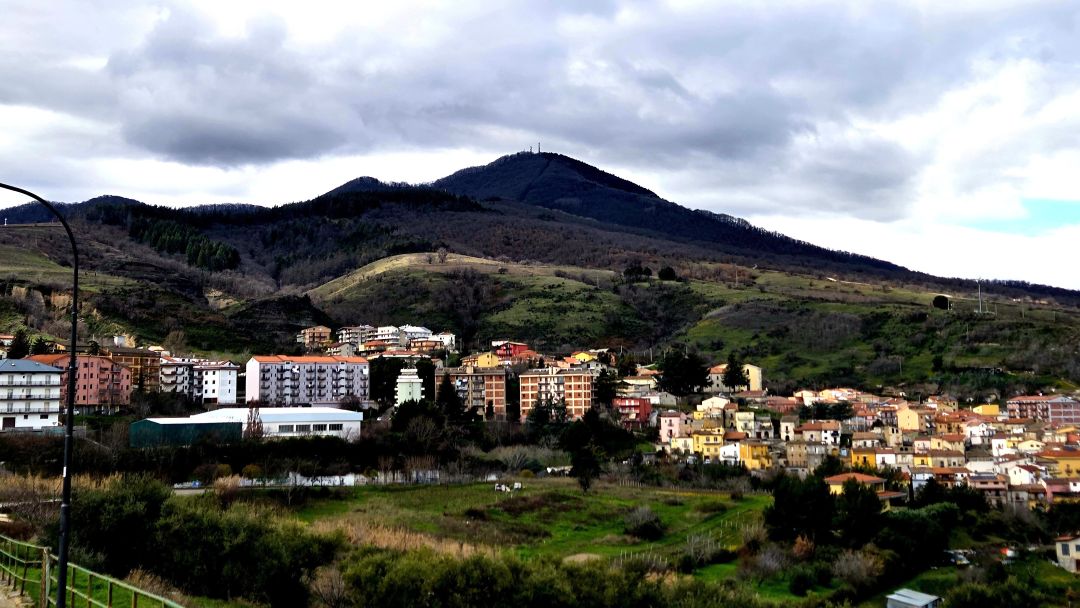
The extinct Monte Vulture looms over the town of Barile.
A New Era for Aglianico del Vulture
Every year I find more to be excited about in Vulture. A distinct sense of place resonates across the unique growing zones—Maschito, Ripacandida, Barile, Ginestra, Venosa, Rapolla and Rionero. Even older estates, where tradition once meant masking Aglianico’s identity through excessive oak usage, harvesting at extreme ripeness or vinifying with air-dried grapes, have started to come around. There are still many big-boned, rustic wines that recall that era, but there is now an unmistakable shift toward refinement and purity. A growing list of new names, typically smaller family-run operations, are delivering wines of balance and character. The paradigm is shifting.
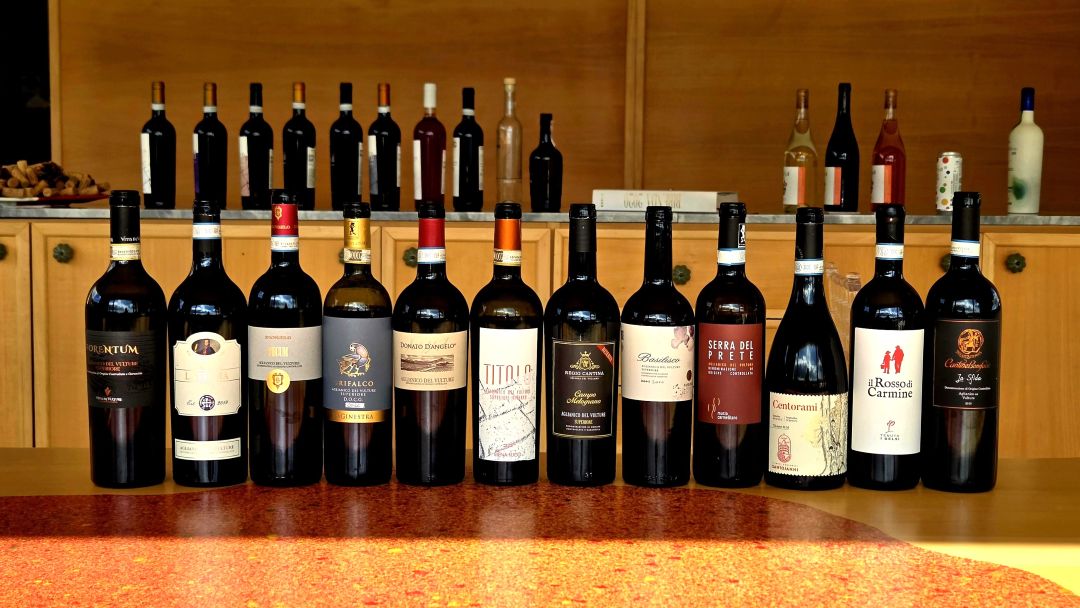
Producers in Vulture have discovered how to craft a more accessible style of Aglianico without sacrificing the variety’s inherent depth and complexity. These fresher, more widely appealing wines are possible through a combination of unique terroir and the specific Aglianico clone found here, which is different from those present in Campania. The Vulture biotype is notably more vigorous and productive, yielding slightly larger bunches that translate into softer palates and more approachable tannic structures. This is why Aglianico del Vulture can be enjoyed far sooner than most Taurasi while still aging remarkably well. An archetypal Aglianico del Vulture showcases vivid aromas of lavender, violet and ash, as if the vines had absorbed the volcanic soil. In the cellar, winemakers increasingly rely on stainless steel, concrete or amphora to soften the variety’s contours, allowing its natural acidity to integrate with vibrant dark fruit and spicy citrus notes. I can’t say enough good things about the amphora-aged wines that continue to pop up around the region. In past years, oak tannins and balsamic tones would leave my palate fatigued at the end of a tasting day; that’s no longer the case. These newly reimagined wines are harmonious, terroir-transparent, pure and nicely balanced.
Vulture does not have an equivalent to the “Rosso” category that exists in other regions. Instead, the Aglianico del Vulture DOC offers the most value and a fresher, “village”-style wine. These wines require just nine months of aging in any vessel. However, not all Aglianico del Vulture DOC wines are created equal. Some, such as those from Elena Fucci, Paternoster and Grifalco, have an amazing track record for ageability. That said, the majority of flagship, single-vineyard and old-vine bottlings fall into the Aglianico del Vulture Superiore and Riserva DOCG categories, categories that require 12 months in barrel followed by two more years in bottle before release. Like their neighbors in Campania, many producers choose to release late—sometimes very late, as is the case with Basilisco’s current-release 2016—to allow Aglianico’s tannins to settle.
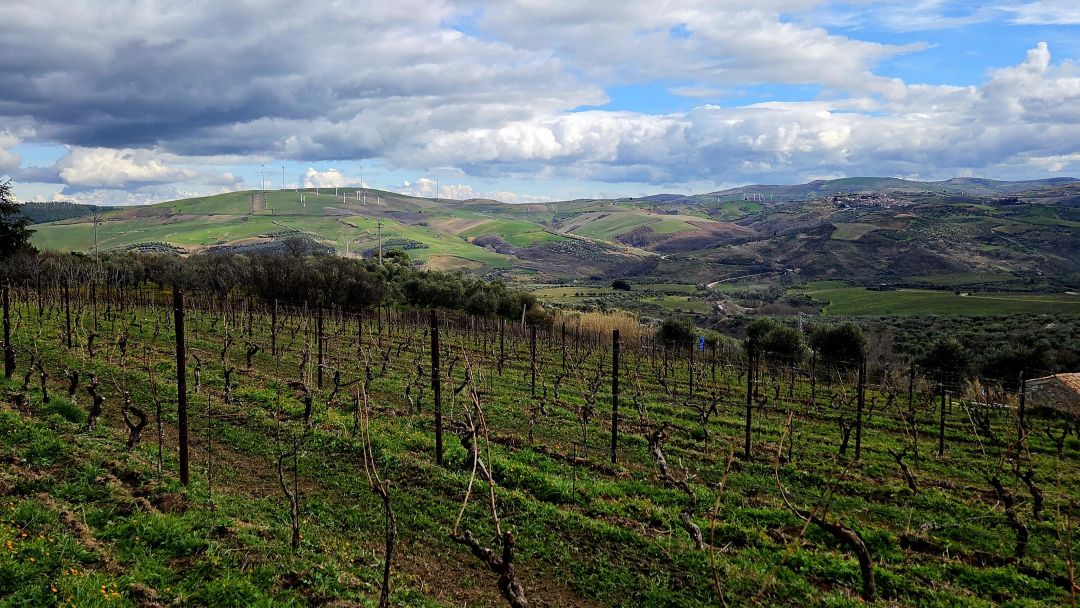
The 60-year-old vines are the source for Paternoster's new Barone Rotondo.
A few trends challenge the region’s progress. Given that Aglianico del Vulture clearly names its variety and place of origin, this presents branding opportunities that other regions would envy. Instead of taking advantage of this, many producers opt to bottle inexpensively made IGT wine. Expansive tracts of new vineyards growing white and red varieties feed large projects both within and outside the region. These IGTs made from Aglianico often fail to list the variety or the region on their labels. Even a few producers of note are guilty of this practice that cheapens Vulture’s identity and poses a significant challenge to the growth of the DOC and DOCG.
A growing number of producers are beginning to experiment with white wines. I see this as an overall positive, but a practice that could benefit from more strategic thinking. The whites encompass Sauvignon Blanc, Falanghina, Greco, Moscato and Fiano, among others. Though the region has its own distinct biotype, Malvasia Bianca di Basilicata, I’ve yet to taste one that excites me. My money is on Fiano. There are also excellent examples of Aglianico vinified as white wine. These wines typically show a nearly oily, honeyed character with dominant notes of white flowers and almonds, all supported by elevated acidity.
Against All Odds: The 2024 Vintage
Vulture is a unique place that cannot be lumped in with the rest of Southern Italy. The moderating effects of three adjacent seas, drastic diurnal shifts, constant wind and water-retentive soils are key to Vulture’s successes where many other regions struggle.
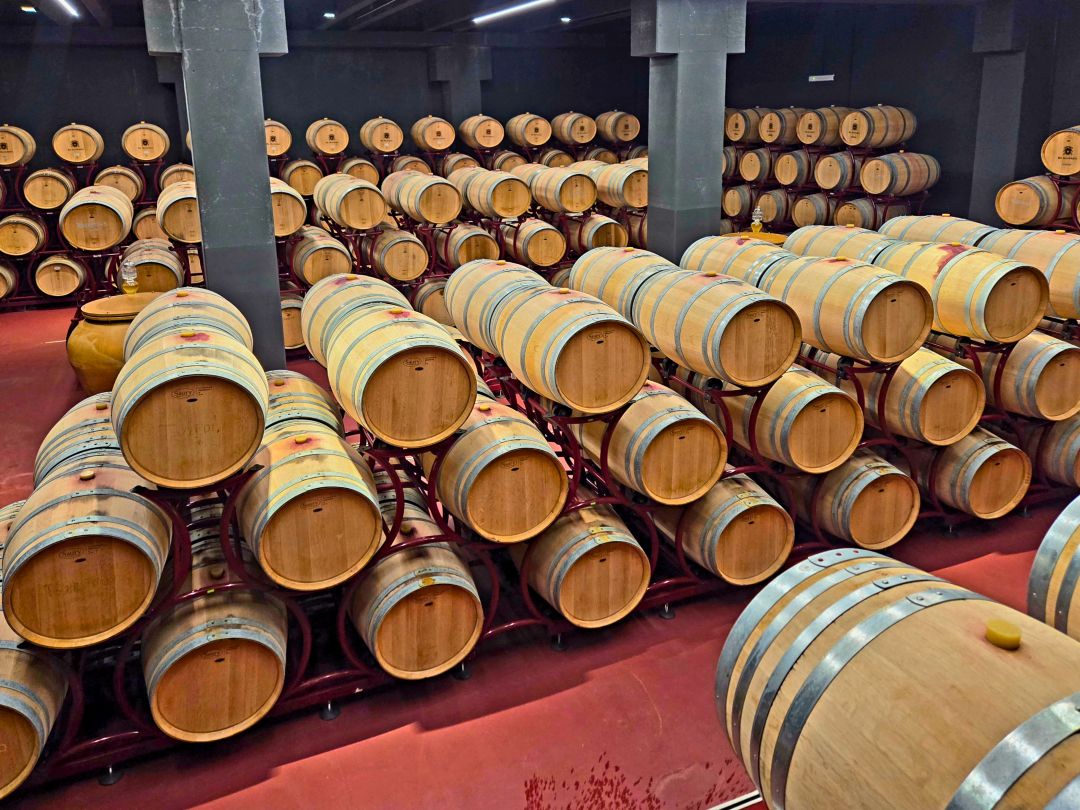
The barrique cellar at Re Manfredi, one of the few producers who successfully age Aglianico in smaller-format oak.
The 2024 Aglianicos from Vulture are rich and concentrated yet balanced by silky tannins that will promote medium-term cellaring. Overall quality is good across the region, but some wines suffer from underripe tannins or lack the acidic spine to balance their sheer weight. Two thousand twenty-four was a drought year, and many wineries experienced one of their earliest harvests on record. The year started mild and very dry, resulting in buds forming eight to ten days earlier than average. Temperatures remained warm and arid throughout the summer, with little to no rain. At the Elena Fucci winery, a cutaway of the soil revealed how the vineyards survived: layers of volcanic tuff remained completely moist despite months without rain. Winemakers throughout Vulture were relieved to find healthy bunches, especially following the disease-ridden 2023 vintage. However, an excessively warm August led to early harvests that started in September and continued through the first ten days of October. Look to the most trusted and conscientious producers for the best wines.
I tasted the wines for this report in Vulture in March 2026.
© 2026, Vinous. No portion of this article may be copied, shared or redistributed without prior consent from Vinous. Doing so is not only a violation of our copyright but also threatens the survival of independent wine criticism.
You Might Also Enjoy
A Vulture Revelation: Mini-Vertical of Cantine del Notaio's La Firma, Eric Guido, October 2025
Southern Italy: Basilicata, Puglia, Calabria & Molise, Eric Guido, March 2025
Getting In on the Ground Floor: Aglianico del Vulture, Eric Guido, May 2024
Southern Italy: Diamonds in the Rough, Eric Guido, July 2023
Basilicata: Vulture’s Rise from the Ashes, Eric Guido, September 2022
Show all the wines (sorted by score)
- Alovini
- Arteteke
- Basilisco
- Battifarano Vini
- Camerlengo
- Cantina Balice
- Cantina di Venosa
- Cantina Il Passo
- Cantina Petracastalda
- Cantine Bonifacio
- Cantine de Biase
- Cantine del Notaio
- Cantine Madonna delle Grazie
- Cantine Mastrangelo
- Carbone Vini
- D'Angelo
- Ditaranto Vini
- Donato d'Angelo
- Elena Fucci
- Eubea
- Fontanarosa Vini
- Grifalco
- I Gelsi
- Laviola
- Luigi Lauria
- Macarico
- Musto Carmelitano
- Paternoster
- Pisani
- Poderi Macchia
- Regio Cantina
- Re Manfredi
- Ripanero
- Santojanni
- Strapellum
- Tenuta Bocca di Lupo
- Tenuta del Portale
- Tenuta Lagala
- Tenuta Le Querce
- Tenuta Marino
- Tenute Mantegna
- Verha Wines
- Vigne Mastrodomenico
- Vitis In Vulture